
Frequently Asked Questions About Credit Card Processing in Sussex, New Jersey
What types of credit card processing can businesses use in Sussex, NJ?
Most businesses can process cards using either an in-person terminal or a mobile/online setup. In-person options work for counters, events, and retail checkout, while mobile solutions are helpful for on-site services and temporary locations. Online processing fits websites and invoicing, and some providers also support recurring payments and virtual terminals. If you’re currently using a POS system, we can help confirm compatibility so transactions route correctly and reporting stays organized.
How do I choose the right merchant account or payment setup for my business?
Start by matching the payment method to how you get paid: swiped/chipped/tapped in person, online payments, invoice links, or recurring billing. Then consider transaction volume, average ticket size, and whether you need features like detailed reporting, saved customer profiles, or chargeback handling. Ask about required hardware, whether fees are predictable, and how disputes are managed. A clear comparison of options helps avoid surprises and ensures smooth day-to-day acceptance of payments.
What are common reasons credit card payments get declined, and what should I do first?
Declines can happen for several practical reasons, including incorrect card details for keyed/online transactions, expired cards, insufficient funds, incorrect billing information, or bank-side fraud controls. For in-person declines, hardware issues such as damaged readers, poor connection, or outdated terminal settings can also play a role. The first step is checking the transaction attempt details and your settings, then contacting the customer’s bank if needed. Keeping logs helps identify recurring patterns.
Do I need to accept chip (EMV) and contactless payments, and how does it affect my setup?
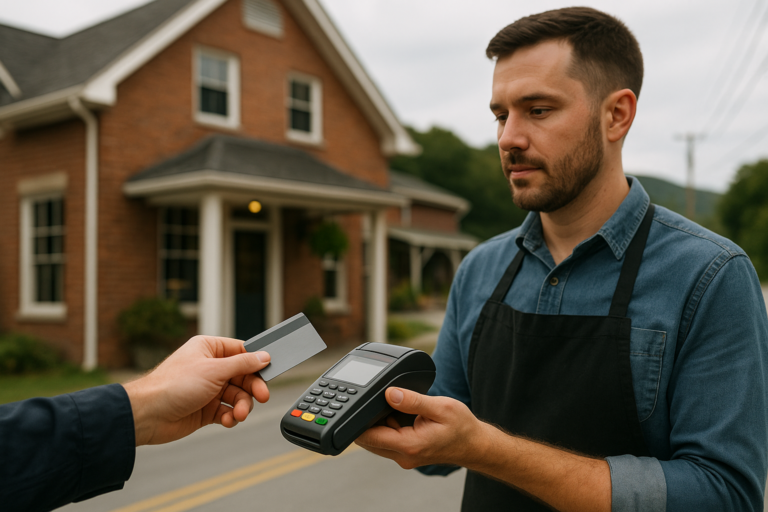
Yes—chip and contactless acceptance are standard expectations for most customers today. Accepting EMV cards generally requires compatible card readers or terminals, and contactless payments depend on having the right hardware and settings. If you also process online, make sure your payment page and provider support modern card flows and secure transmission. Upgrading hardware is often a straightforward path, but it’s best to confirm compatibility with your existing POS or invoicing process.
How does chargebacks work, and what can I do to reduce them?
A chargeback is when a cardholder disputes a transaction and requests repayment through their bank. Common triggers include billing confusion, cancellation disputes, suspected fraud, or services not received as expected. To reduce chargebacks, keep clear invoices and receipts, use accurate descriptions, and document refunds or cancellations. For card-not-present sales, confirm your checkout information is consistent and secure. If a dispute occurs, respond with timely evidence such as proof of authorization and delivery.