
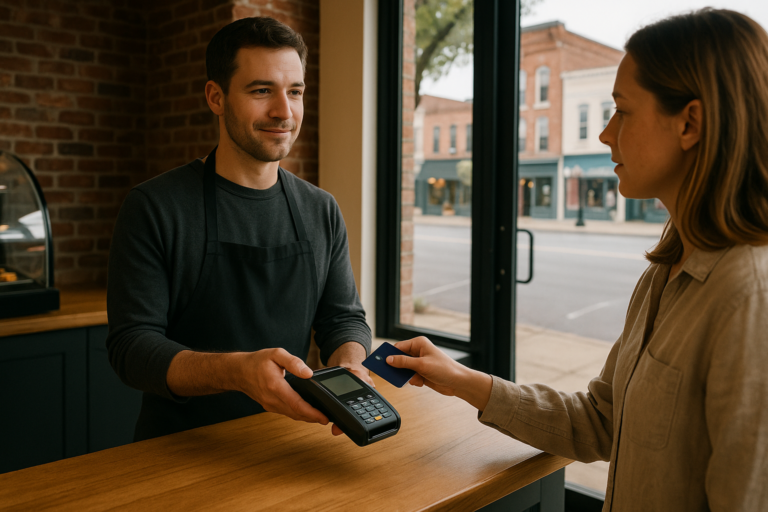
Frequently Asked Questions About Credit Card Processing in Somerville, New Jersey
What types of credit card processing solutions are available for small businesses in Somerville?
Credit card processing typically includes a few common setup options: card-present solutions for in-person purchases (countertop terminals or mobile readers) and card-not-present options for online orders and phone/mail orders. Many providers also offer payment gateways that connect your website or invoicing system to the processing network. It’s helpful to choose based on how customers pay most often, whether you need recurring billing, and how you manage taxes and receipts for your business records.
How do merchant accounts and payment processors work together?
A merchant account is the part of the system that enables your business to accept card payments, while a payment processor handles communication between your payment terminal, gateway, and the card networks/banks. Together, they manage authorization, payment capture, and settlement so funds can be deposited to your business account. If you’re upgrading from an older setup, your processor or gateway may also handle tokenization and security updates so customer payment data is managed correctly.
What should I consider when comparing processing fees and pricing models?
When comparing credit card processing costs, look beyond the headline rate and examine how pricing is structured. Some models charge interchange pass-through plus a processing markup; others use flat-rate pricing. Ask what fees apply for monthly service, chargebacks, refunds, payment gateway access, or additional terminals. Also confirm whether rates vary by card type (credit vs. debit) and whether your setup supports the payment methods you expect customers to use frequently.
Can I reduce chargebacks and payment disputes for my business?
Yes—chargebacks often stem from unclear transactions, customer confusion, or mismatches in billing details. Practical steps include using clear descriptors on receipts and invoices, confirming transaction details before completion, and maintaining documentation for services provided or goods delivered. If you offer online payments, ensure checkout forms accurately reflect the terms and that shipping or delivery timelines are easy to find. Many providers also offer tools to help flag unusual transactions and manage dispute evidence efficiently.
What security practices should businesses follow when accepting card payments?
Security matters at every step. Your setup should support PCI-aligned handling of card data, meaning sensitive details aren’t stored in plain text on your systems. Tokenization is commonly used so customer payment numbers are replaced with secure tokens. Use strong access controls for terminals and admin accounts, keep firmware and software updated, and avoid accepting payments through insecure methods. If you use an online gateway, confirm it supports modern encryption and fraud-prevention features.