
Frequently Asked Questions About Credit Card Processing in Valhalla, New York
What types of credit card processing can businesses in Valhalla use?
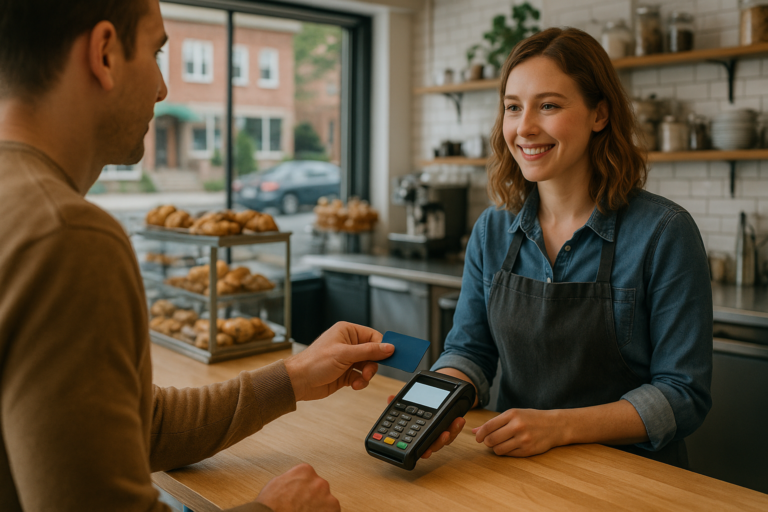
Most businesses can accept credit and debit cards with the right setup, including in-person swipes/taps, chip readers, and mobile or countertop terminals. Many providers also support key-entered transactions for phone or mail orders, and online payments for e-commerce. The best option depends on your sales channels—retail, restaurant, service calls, invoices, or web store—so it’s worth matching the hardware and payment method to how customers actually pay in your day-to-day operations.
What fees should I expect for credit card processing in New York?
Credit card processing costs typically come from a mix of interchange and card-issuer fees, plus a processing/merchant service fee charged by the provider. Some providers also charge monthly account fees, per-transaction fees, or statement fees. For businesses, the main practical step is to review the fee structure in plain language—especially per-transaction rates and any “pass-through” costs. Avoid vague pricing and ask how different card types (debit vs. credit, rewards cards, etc.) may affect total costs.
How do chargebacks work, and how can we reduce them?
A chargeback is a request by a cardholder’s bank for a card payment to be reversed, typically due to disputes like billing issues or dissatisfaction. To reduce risk, ensure invoices and receipts clearly describe goods or services, keep documentation for refunds and delivery, and respond promptly to customer questions. If you use online invoicing or recurring billing, confirm that authorization and terms are transparent. Having a consistent refund and dispute workflow helps protect your account.
Do we need a merchant account to accept card payments?
In many cases, yes—credit card payments require a way to route transactions securely through a merchant processing system. Some solutions bundle everything into a single “payment processing” account, while others separate the merchant account from the terminal or online checkout. The practical goal is to choose a setup that fits your payment channels: a terminal for in-person sales and an integrated checkout or invoicing tool for online orders. Ask what components are included so there are no surprises.
What security steps should we take when processing cards?
Security starts with using up-to-date payment hardware and keeping it maintained, including enabling chip/tap where possible. For online payments or invoicing, use encrypted checkout tools and avoid collecting full card numbers through email or spreadsheets. Train staff on how to handle refunds and receipts and ensure only authorized employees can access transaction history. If your provider offers security features like tokenization, they can reduce exposure by replacing card details with safer tokens during processing.