
Frequently Asked Questions About Credit Card Processing in Sayreville, New Jersey
What credit card processing options are available for small businesses in Sayreville, NJ?
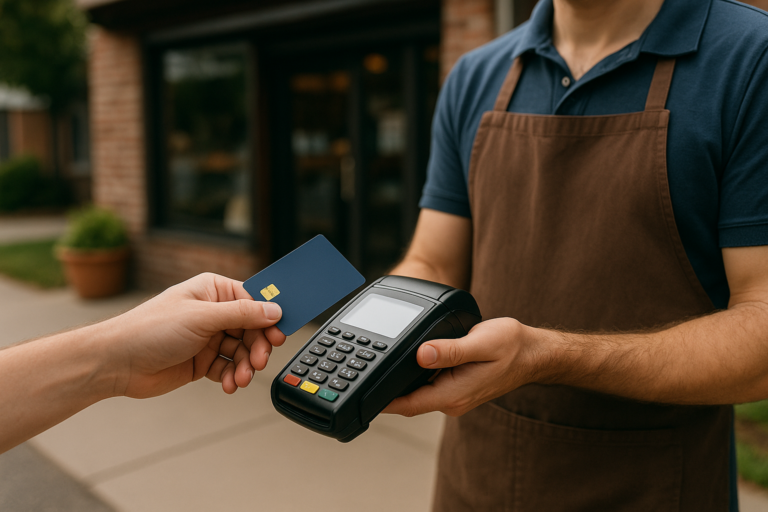
Most small businesses choose between card-present setups (swipe/tap terminals), online payment gateways for e-commerce, or integrated solutions that combine both. If you accept in-person payments at a counter, a terminal or countertop device is often the simplest. For invoices or online orders, a gateway with a hosted checkout page can help streamline transactions. Many providers also offer recurring billing for memberships or subscriptions—so it’s worth matching the option to how customers pay today and how they may pay next year.
How do I reduce credit card processing fees without harming customer experience?
Fees often vary by transaction type (card-present vs. card-not-present), card brand, and how the transaction is processed. To lower costs, focus on the method that matches the sale: use card-present processing when payments happen in-store, and use secure online checkout tools for remote orders. You can also review your statement for common surcharges and ensure the transaction data is correct. Another practical step is selecting the right pricing model for your volume and payment mix, rather than assuming one option fits all businesses.
What security practices should we use when accepting credit card payments?
When handling card payments, the goal is to reduce the risk of data exposure. Use reputable payment systems that handle encryption and tokenization so sensitive card details aren’t stored on your own devices. Keep software and payment terminals updated, restrict access to accounts and dashboards, and train staff on secure handling (for example, avoiding manual card entry when a secure terminal is available). It’s also important to use strong passwords and multi-factor authentication for payment-related admin portals.
Can we accept credit cards for both in-person sales and online orders?
Yes—many businesses handle both using a combination of card-present terminals and an online payment gateway. The key is choosing a setup that keeps your workflow consistent: transactions should be recorded clearly in your bookkeeping tools or point-of-sale system, and reporting should be easy to reconcile. For online orders, consider hosted checkout or payment links that minimize friction for customers. If you use an existing POS or accounting software, ask whether integrations are available so staff can manage payments without duplicate entry.
What should I expect from the setup and ongoing management of a credit card processor?
Credit card processing usually involves selecting equipment (if you accept in person), configuring the online checkout or invoices (if applicable), and linking the account to your merchant services. After setup, you’ll typically manage settings in a dashboard for things like refund behavior and transaction reporting. Ongoing work often includes reconciling payouts with deposits, reviewing chargebacks, and keeping payment methods current. A good provider can help you understand how deposits appear, how statements are organized, and what to do when disputes arise.