
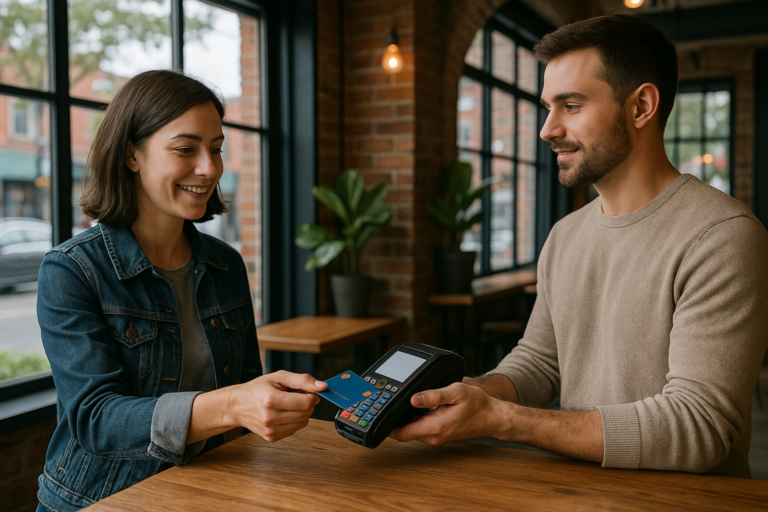
Frequently Asked Questions About Credit Card Processing in Huntington Station, New York
What types of credit card processing do businesses in Huntington Station typically need?
Most local businesses choose processing that matches how they take payments—swiped, dipped, or tapped cards in-store, and online payments for websites and invoices. Many also need support for mobile transactions for pop-ups or events, plus recurring billing if you charge subscriptions. A good provider can help you determine whether you need a traditional merchant account, a payment gateway, or an all-in-one solution based on your sales channels and current equipment.
How do I know which payment option is best for my business—merchant account, POS, or a standalone terminal?
Start with how you sell: in-person only, online only, or both. If you already use a POS system, you’ll want processing that integrates cleanly with it to reduce manual steps. If you’re mostly in-person, a terminal with contactless support can be key. For online sales, you’ll need a payment gateway to securely transmit transactions. Ask your processor about setup, compatibility with your existing tools, and how payouts are handled.
What should I look for regarding fees and contract terms for credit card processing?
Credit card costs often come from multiple sources—processing rates, monthly account or software fees, and possible charges related to equipment, chargebacks, or different card types. Before you switch providers, request a clear fee breakdown and confirm whether pricing is flat-rate or interchange-based. Also review contract length, early termination terms, and any requirements for hardware returns. Understanding these details helps avoid surprises when you scale sales volume.
Can I accept contactless payments and chip cards while keeping transactions secure?
Yes. Modern credit card processing supports EMV chip cards and contactless (tap) payments, which helps reduce certain types of fraud and supports secure authorization. Security also depends on how your payments are handled end-to-end—encrypted data transmission, strong access controls for your account, and secure handling of card-present and card-not-present transactions. A reputable processor can explain the security features and help you configure terminals and payment settings correctly.
What happens if a customer disputes a charge—how are chargebacks handled?
When a customer files a dispute, the merchant typically receives a chargeback notice and must submit relevant documentation depending on the transaction type—such as proof of delivery for online sales or transaction records for card-present payments. A practical processor will guide you on chargeback procedures and help you understand what information is commonly required. You can also reduce disputes by using clear receipts, accurate billing descriptors, and consistent return/refund policies for your customers.