
Frequently Asked Questions About Credit Card Processing in Whippany, New Jersey
What do I need to start accepting credit cards for my business in Whippany?
To begin credit card processing, you’ll typically need a merchant account setup, a way to process transactions (card-present terminal, online payments, or both), and the correct payment settings for your business. Have ready your business details, ownership/tax information, and an estimate of your average ticket size and monthly volume. If you’re unsure which option fits, a provider can help match your setup to how customers pay—counter service, delivery, or invoices.
Can I accept card payments both in-store and for online orders?
Yes—many businesses use a single payment solution that supports multiple channels. In-store payments are usually handled with a terminal or mobile reader, while online orders require an e-commerce payment gateway. When setting up both, it’s important to configure your payment methods, fraud controls, and reporting so transactions reconcile correctly. Ask whether the setup provides consolidated statements and how chargebacks are handled across channels.
How do credit card fees and processing costs typically work?
Credit card processing costs commonly include a combination of interchange (the card network fee), assessment fees, and the payment processor’s markup. Some arrangements also include monthly service or equipment charges, depending on the setup. To understand your real cost, look at the rates for the card types you expect (debit/credit, rewards cards, and card-present vs. card-not-present). Request a clear fee breakdown and confirm how refunds are treated.
What is the difference between card-present and card-not-present processing?
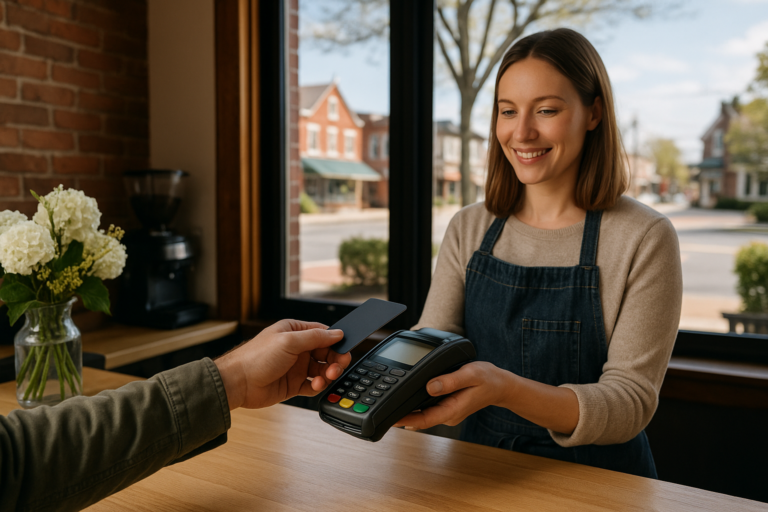
Card-present processing happens when the customer’s card is physically swiped, dipped, or tapped at checkout, and the terminal captures authentication data. Card-not-present processing covers online or phone orders where the card isn’t physically present, which often carries different risk and pricing. If you take both kinds of payments, ensure your system is configured correctly for each scenario and that your online checkout supports secure payment handling to reduce failed transactions.
How are chargebacks handled, and what can I do to reduce them?
Chargebacks occur when a cardholder disputes a transaction with their bank. Handling usually involves providing documentation such as receipts, order confirmations, delivery proof (for online sales), and evidence of customer authorization. To reduce disputes, keep records of transaction details, ensure your receipts show clear descriptors, and communicate return/refund policies at checkout. If your business offers services, document confirmations and timelines so you can respond effectively when a dispute arises.