
Frequently Asked Questions About Credit Card Processing in Uniondale, New York
What do I need to start accepting credit card payments for my business?
To begin accepting credit cards, you’ll typically need a way to process transactions—such as a payment terminal or a card reader integrated with your checkout system. Most providers will also require basic business information and a merchant account setup to route payments securely. If you use an online store or invoices, you may need a virtual terminal or e-commerce integration as well. Gather details about your sales channels (in-store, online, or both) so the setup matches your workflow.
How do credit card processing fees work for small businesses?
Credit card processing costs usually come from a combination of interchange charges, assessments, and processing/markup fees. The exact mix can vary based on card type (credit vs. debit, rewards cards), transaction method (swiped, dipped, or tapped), and whether you key in transactions manually. It’s helpful to review your statement and ask how fees are calculated. Understanding what’s per-transaction versus per-month makes budgeting easier for day-to-day operations.
Is it better to use a card reader, a terminal, or an online payment solution?
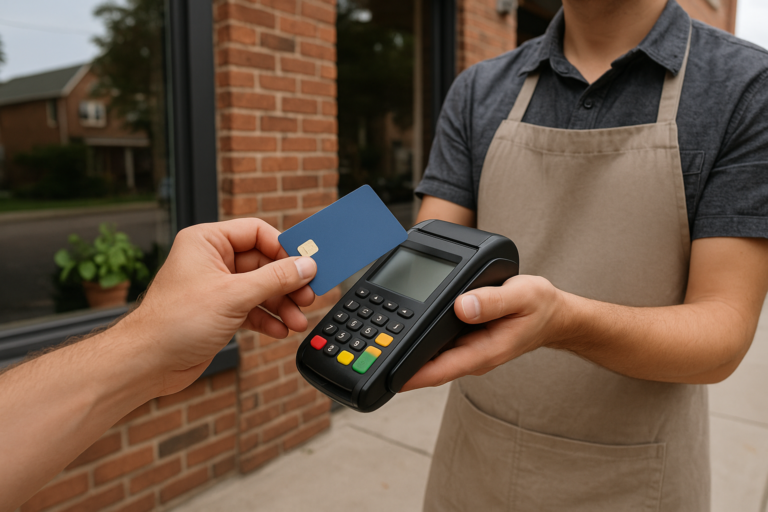
The best option depends on how you take payments. A countertop terminal or mobile card reader is often ideal for in-person sales, including in a retail counter or during appointments. If you bill customers remotely, a virtual terminal or invoice link may fit better. For online sales, an e-commerce integration supports checkout and automatic payment capture. Many businesses use more than one method, so choosing based on your channels helps reduce confusion at checkout.
What security steps should I expect for handling customer card data?
When processing credit cards, security is essential. Look for solutions that support PCI-compliant handling and reduce the amount of card data stored or transmitted by your business. Many reputable systems tokenize payment information and use encrypted connections between the terminal, software, and the processing network. Ask what your setup does with sensitive data and whether software updates are handled to address known security issues. A clear security approach helps protect both customers and your business.
What happens if a card payment is declined or a charge needs to be reversed?
Declines can occur for many reasons, such as insufficient funds, bank blocks, or incorrect card details—so it’s important to verify what you entered and try again if appropriate. If you need to reverse or correct a transaction, the process is usually handled through a void (when it’s still within a short window) or a refund (after it settles). Keep documentation for the transaction and communicate clearly with the customer so records match.