
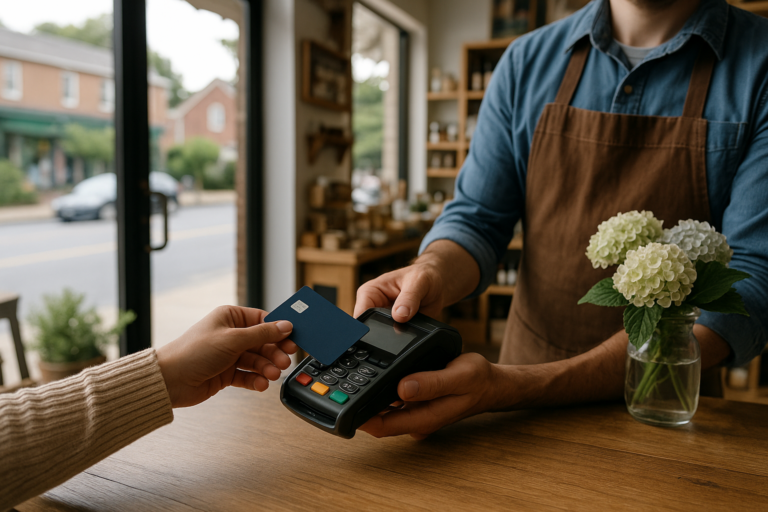
Frequently Asked Questions About Credit Card Processing in Locust Valley, New York
What types of credit card processing can you help set up for my business in Locust Valley?
Credit card processing typically covers both in-person and card-not-present payments. For in-person sales, solutions may include card readers, terminals, or countertop systems that accept swipe, dip, or tap. For online payments, you may need a virtual terminal, checkout integration, or payment gateway setup. If you’re not sure what you need, share how customers pay (in-store, website, invoicing, or phone orders) and your current system, and we’ll help you map the right approach.
How do credit card processing fees work, and what should I watch for on my statement?
Processing costs commonly involve multiple components, such as interchange (set by card networks), assessments, and payment processor charges. Some providers also add monthly service or gateway fees. When reviewing a statement, pay attention to the effective rate, any fixed per-transaction charges, and whether fees differ by card type (like rewards or business cards). Ask for a clear breakdown of what drives your total cost—especially if volume or ticket size changes.
Can you help reduce payment declines and improve approval rates?
Yes. Declines can be caused by many factors, including incorrect billing details for card-not-present transactions, outdated software, insufficient account verification, or network/terminal issues. A practical first step is reviewing decline reasons from your processor and matching them to the payment method you’re using. Ensuring your checkout fields are consistent, using secure connection methods, and keeping hardware updated can also help. If you share your typical transaction type, we can suggest targeted adjustments.
What security steps should I expect for handling customer card information?
Handling card data safely is essential. Many businesses choose solutions that reduce exposure by avoiding direct storage of card numbers and using encrypted transmission instead. Look for payment flows that support secure tokenization, and ask how your system stays compliant with relevant security standards (commonly PCI-related requirements). Even with compliant processing, it’s important to secure your devices and accounts used to access payment tools. A good provider will explain what data is stored and how it’s protected.
How do chargebacks work, and what can I do to manage them effectively?
A chargeback is when a cardholder disputes a transaction and the card network requests evidence from the merchant. To manage them effectively, keep clear records such as invoices, order confirmations, shipping or service documentation (when applicable), and cancellation policies. Responding promptly with accurate information can improve outcomes. It also helps to set up processes to confirm orders, communicate with customers, and handle refunds correctly so legitimate disputes are less likely to escalate.