
Frequently Asked Questions About Credit Card Processing in Oakdale, New York
What types of credit card processing options are available for small businesses in Oakdale?
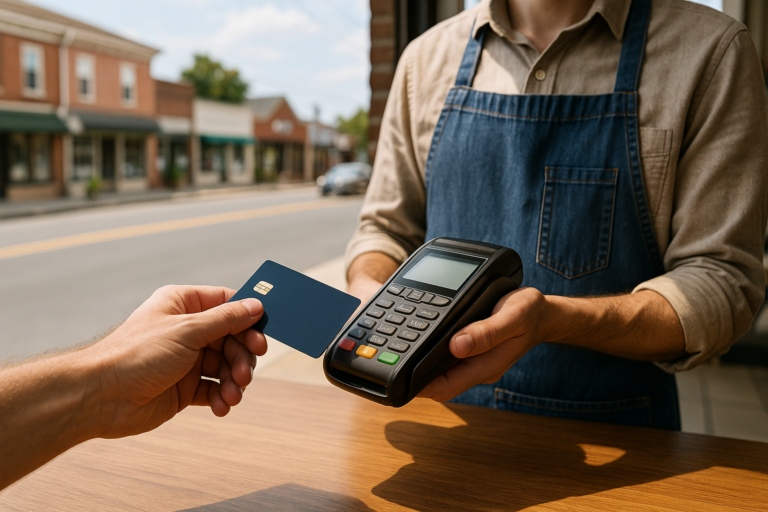
Most businesses choose between card-present processing (customers swipe, dip, or tap at checkout) and card-not-present processing (for phone or online orders). You may also need options like recurring billing for subscriptions or invoicing tools for follow-ups. A good provider can help you evaluate payment methods your customers use—such as contactless payments—and select the setup that best fits your current sales flow and future growth plans.
How do credit card processing fees usually work?
Credit card processing costs commonly include multiple components, such as interchange (set by card networks), assessment fees, and the provider’s processing charges. The total can vary based on card type, whether the transaction is card-present or card-not-present, and how the payment is authorized. Ask for a clear fee breakdown and sample statements so you understand what you’ll pay each month and how common transaction types will affect your bill.
Can I accept contactless payments and chip cards with a new processing system?
Yes—modern processing setups are typically designed to handle both chip (EMV) and contactless payments, including card tap and mobile wallet transactions, depending on the terminal and software you choose. If you already use a register or POS system, confirm compatibility so the transition is smooth. A provider can walk through what hardware is needed and how to configure payments so checkout stays fast and familiar for your customers.
What security steps should we use for card payments?
Security should be built into both the processing method and your internal practices. Look for solutions that support encryption of payment data, secure handling of card information, and compliant workflows that reduce how much sensitive data your staff touches. Even with strong processing tools, you’ll still want staff training, secure device placement, and safe network practices. Ask what the system does to protect transactions from authorization through settlement.
What should we do if a customer payment fails or a card is declined?
When a payment fails, it’s best to check the basics first: confirm the terminal or POS connection, verify the transaction amount and entry method, and ensure the card is being read correctly (chip vs. tap). Declines can also happen due to bank-side reasons, expired cards, or limits the cardholder has set. Your processing setup should provide clear decline codes or messaging so you can troubleshoot consistently and avoid repeated retries that may increase customer frustration.