
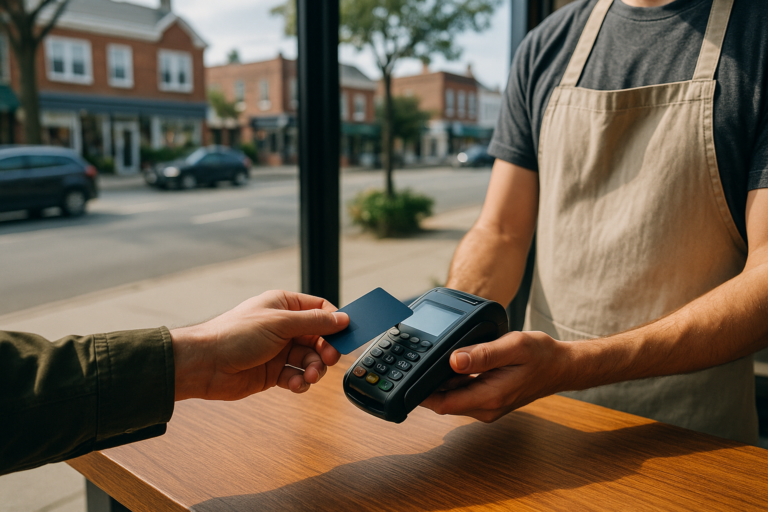
Frequently Asked Questions About Credit Card Processing in Larchmont, New York
What types of credit card processing can I use for my business in Larchmont?
Credit card processing options usually include traditional card-present terminals (for in-person sales) and card-not-present solutions (for phone or online orders). Many providers also support mobile checkout for markets, pop-ups, or staff on the floor. Ask about compatibility with your POS system, ability to accept contactless cards, and whether you need features like recurring billing or invoicing for repeat customers. A good setup matches how you sell, not just what you need today.
How do credit card processing fees typically work?
Processing fees commonly fall into a few categories: interchange (set by card networks), assessments (charged by networks), and payment processor charges (for handling and technology). Some providers use flat-rate pricing, while others use interchange-plus. Your contract or merchant agreement will outline the exact structure and any monthly or per-transaction fees. To compare options, review what happens with different card types, refunds, chargebacks, and whether the pricing is transparent or bundled.
Can I accept contactless and chip cards with a new system?
Yes—modern processing solutions generally support EMV chip cards and contactless payments (tap-to-pay) using NFC-enabled terminals or POS hardware. When choosing equipment, confirm the terminal model or integration supports the payment methods you expect customers to use. If you currently have older hardware, you may need an update to ensure chip-and-PIN compliance and smoother transactions. It’s also wise to ask about backup options in case the device loses connectivity during busy hours.
What should I do if I get a chargeback or suspected fraud payment?
Chargebacks and fraud disputes are handled through a structured process. First, make sure your records are complete—receipts, authorization details, customer communication, and delivery or service confirmation if applicable. Responding promptly with clear documentation improves your chances of a favorable outcome. Ask your processor about dispute tools, how alerts are delivered, and what evidence formats they accept. For best results, set internal procedures for verification and recordkeeping before transactions occur.
Will credit card processing integrate with my POS or accounting software?
Integration is a key factor for reducing manual work. Many processors support popular POS systems and can sync transaction records to accounting platforms, helping with reconciliation at month-end. Before switching, confirm what data is exported (e.g., settlement batches, card types, fees) and whether refunds and chargebacks automatically map correctly. If you run a custom setup, ask about supported workflows and whether you’ll need additional configuration. The right integration keeps reporting accurate and consistent.