
Frequently Asked Questions About Credit Card Processing in Manhasset, New York
What are my options for credit card processing if I take payments in person in Manhasset?
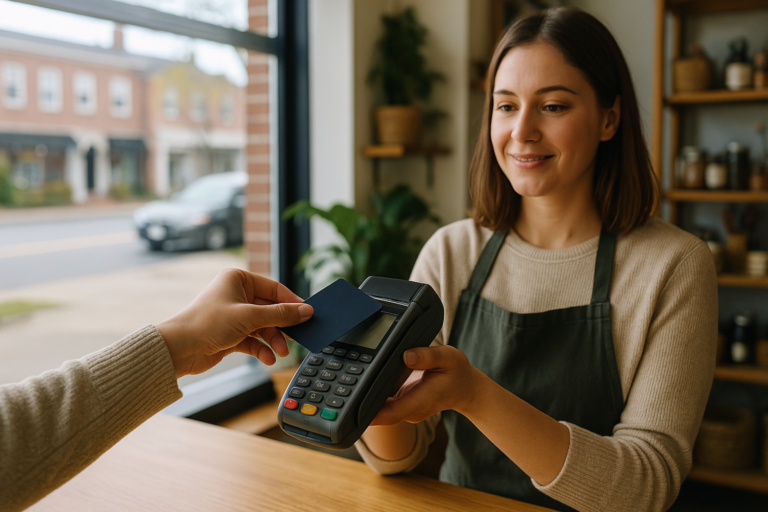
If you accept cards at your store or at the point of sale, you typically have options like a card reader with a mobile app, a countertop terminal, or a POS system integrated with processing. The right choice depends on how you ring up sales, whether you need receipts, and whether you want faster checkout for customers. A reputable provider can help you compare hardware, payment types (credit, debit, tap-to-pay), and how transactions will be settled.
How do I choose between a flat-rate and interchange-plus pricing model?
Pricing structure affects your total cost and how predictable it is. Flat-rate plans combine most fees into one percentage and can be simpler for small businesses with similar transaction sizes. Interchange-plus separates the processing cost charged by card networks from the provider’s markup, which can be more transparent and sometimes more cost-effective for certain volume patterns. Ask for a clear breakdown of fees and how refunds/chargebacks are handled.
What information do I need to set up a credit card processing account?
Setup usually requires details about your business, ownership or authorized representatives, and your deposit account for funding. You may also be asked for information about your products or services so the processor can match appropriate risk and compliance requirements. For in-person processing, you’ll also want to confirm what hardware and software (terminal, POS integration, or virtual terminal) you plan to use. Preparing these details can reduce delays during review.
How will chargebacks work, and what can I do to reduce them?
Chargebacks are disputes where a cardholder questions a transaction. Your processor and merchant account will usually provide a process for responding with evidence such as receipts, signed authorizations where applicable, and delivery or service records. To reduce disputes, use clear descriptors, provide timely and accurate receipts, match transactions to your stated refund policy, and avoid charging for amounts customers weren’t expecting. Good documentation is often your best defense.
Do I need a separate setup for online or invoiced payments?
Often, yes. Card payments taken online or via an invoice may require a virtual terminal, payment gateway, or an e-commerce integration that securely captures card data. In-person readers and online payments don’t always share the same setup, reporting, or security workflow. If you’re expanding beyond countertop transactions, ask about how online payments are routed, whether you can track payments and refunds in one place, and how the provider handles secure checkout and customer data protection.