
Frequently Asked Questions About Credit Card Processing in Sleepy Hollow, New York
How do credit card processing services work for a small business in Sleepy Hollow?
Credit card processing typically involves connecting your payment terminal or checkout system to a payment processor. When a customer swipes, taps, or enters a card, the transaction is encrypted and sent for approval. If approved, funds are deposited into your business account according to the processor’s schedule. You’ll usually choose an equipment setup (terminal, mobile reader, or POS integration) and configure card types and payment options to match how you sell day to day.
What fees should I expect with credit card processing?
Most processing costs come from a mix of transaction-based fees, card network or interchange charges, and possible monthly or per-device service fees. The exact structure depends on your provider and payment volume, and some plans separate rates for different card types. Ask for a clear breakdown of all fees, including any statement or gateway charges, and how refunds and chargebacks are handled, so you can estimate your true cost per transaction.
Can I accept tap-to-pay and mobile payments, not just chip cards?
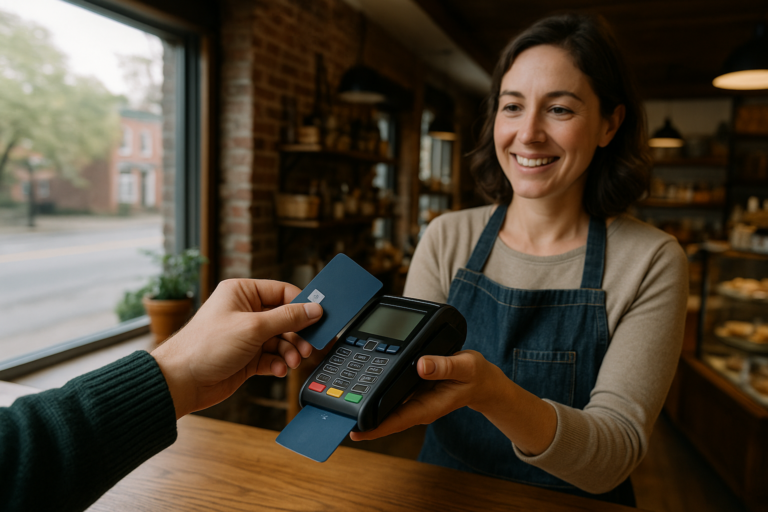
Yes—many businesses can accept tap-to-pay and mobile wallet payments in addition to chip cards. This is usually determined by the type of terminal or POS system you use and whether it supports contactless (NFC) transactions. Your processor and equipment should handle common wallet methods seamlessly at checkout. If you’re switching systems, verify compatibility with your existing POS, receipt printer, and cash drawer (if applicable) to minimize setup issues.
What should I do to reduce chargebacks and payment disputes?
Reducing chargebacks starts with strong transaction documentation. Use clear item descriptions on receipts and invoices, confirm the correct billing details when applicable, and keep records of shipments or service completion for a reasonable period. For card-not-present transactions, consistent fraud checks, accurate order data, and confirmation emails help too. If a dispute arises, respond with the requested evidence promptly and make sure your policies for returns, cancellations, and refunds are consistent and accessible to customers.
Do I need a merchant account to start accepting credit cards?
Often, yes, but the best setup depends on your business model. Traditional processing uses a merchant account plus a payment gateway for online sales or POS transactions. Some providers offer simplified “all-in-one” setups that bundle gateway and merchant services, especially for mobile or online payments. If you’re accepting cards in person only, you may primarily need compatible hardware and a processing plan that supports your terminal. A provider can help you match the setup to your checkout method.