
Frequently Asked Questions About Credit Card Processing in Keyport, New Jersey
What options are available for credit card processing for small businesses in Keyport?
Most businesses can choose between a traditional card-present setup (with a terminal or POS system), mobile/portable payment options, and e-commerce processing for online sales. You’ll also want to consider whether you need invoicing, recurring billing, or payment links. A reputable provider can help you compare card types, checkout methods, and the hardware/software needed so you can support your day-to-day workflow without adding unnecessary complexity.
How do credit card processing fees typically work, and what should I watch for?
Credit card processing costs often come from a combination of interchange (set by card networks), payment processor markup, and additional fees tied to equipment or account maintenance. It’s important to understand how your statement is itemized—especially if different card types (like rewards cards) affect rates. Ask for a clear breakdown of any monthly or per-transaction charges and confirm whether statements include pass-through language, so budgeting stays accurate.
Can I accept chip cards and contactless payments, not just swipe transactions?
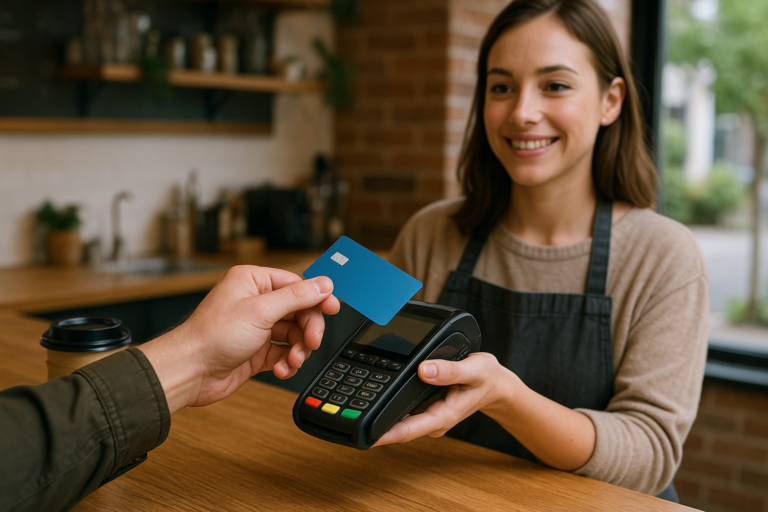
Yes—modern processing setups are designed for chip (EMV) and contactless payments like tap-to-pay. In practice, this usually requires compatible terminals and possibly updated POS software. If your current device is older, you may need an equipment upgrade to ensure smoother approvals and fewer declines. Discuss what you currently accept (swipe, insert, tap) and whether you also need receipt printing or integration with your register.
What do I need to set up credit card processing for in-store and online sales?
For in-store payments, you’ll typically set up a merchant account and connect a terminal or POS system. For online payments, you may use a payment gateway or shopping cart integration, plus security settings that support secure checkout. You should also confirm what data flows where (for example, whether your system tokenizes card details). A good onboarding process will walk you through configuration, testing transactions, and how you’ll receive settlement into your bank account.
How can I reduce the chances of chargebacks or payment disputes?
You can lower chargeback risk by keeping transaction details accurate and consistent with your records—especially for online purchases. Use clear descriptions, ship or delivery updates when applicable, and make your return/refund policies easy to find. For card-present sales, proper chip/contactless acceptance and correct totals help prevent mismatches. If a dispute occurs, respond with complete documentation and evidence tied to the original transaction so the case is reviewed with context.