
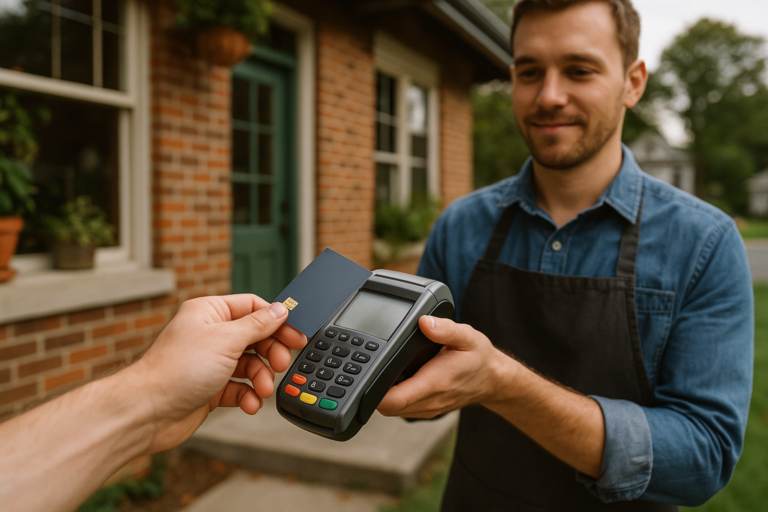
Frequently Asked Questions About Credit Card Processing in Yaphank, New York
What types of credit card processing can my business use in Yaphank, NY?
Most businesses can accept credit and debit cards through either a countertop terminal, a mobile card reader, or an integrated payment system for POS and online orders. You can also choose options that support recurring payments, keyed-in transactions, and invoice-style payments depending on your workflow. A payment provider can help you match the setup to whether you’re taking payments in person, over the phone, or on a website, and explain the differences before you commit.
How do credit card processing fees usually work?
Credit card processing costs commonly include a mix of card-network charges, processing fees, and any third-party software or equipment fees. Some providers use interchange-plus pricing, while others use bundled or tiered pricing. Your statement may include line items such as authorization, assessment, and monthly service costs. Ask for a clear breakdown of how fees apply to your payment types (swiped, tapped, keyed, and online) so you can understand what you’ll pay as your volume changes.
Do I need a merchant account to accept credit cards?
Often, yes. A merchant account is where card transactions are routed so funds can be deposited to your business account. Some payment providers bundle the merchant account into a broader service, especially for small businesses and online checkouts. In many cases, you’ll also need a way to connect your terminal or POS system to the payment provider. If you’re unsure, a provider can outline the setup based on whether you need in-person, online, or both.
What information is required to get started with credit card processing?
Typically, you’ll need basic business details to verify ownership and set up underwriting. This often includes your legal business name, tax information, contact details, and banking information for deposits. Depending on your industry, you may also be asked about how you take payments and your expected transaction volume. If you accept online payments, you may need details about your checkout flow. Having this organized helps avoid delays during approval and setup.
How can I protect my customers’ payment data and reduce chargebacks?
Use secure terminals and follow best practices like keeping devices updated and training staff not to store card data. Many providers support tokenization or encryption to help protect sensitive information. To reduce chargebacks, clearly describe your services on receipts and invoices, process refunds promptly when appropriate, and keep documentation for disputed transactions. If a dispute arises, respond using the details required by the card network so your evidence matches the customer’s claim.