
Frequently Asked Questions About Credit Card Processing in Woodridge, New York
What credit card processing options are available for small businesses in Woodridge?
Common options include traditional card-present terminals, mobile card readers for pop-up events, and virtual terminals for card-not-present transactions (like phone or online orders). Many providers also support integrated solutions that work with point-of-sale (POS) systems and accounting software. When choosing, consider how customers pay, your average ticket size, whether you need recurring billing, and the types of cards you accept. A good provider will help you match the setup to your sales flow.
How do I choose between a merchant account and a payment service provider?
A merchant account is often used when you want dedicated processing tied to your business, while many payment service providers offer an all-in-one approach that can be simpler to start. The right choice depends on your volume, transaction types (in-person vs. online), and your need for integrations, reporting, and risk controls. Ask about how funds are handled, what fees apply for different transaction categories, and how chargebacks and disputes are managed so you understand total costs and workflow.
What fees should I expect for credit card processing?
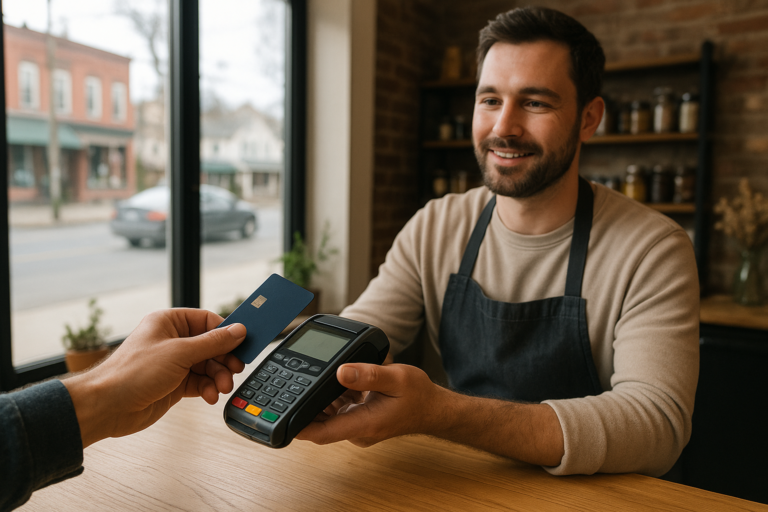
Credit card processing costs can include interchange rates (set by card networks), processor markup, and possible additional fees such as monthly service fees, statement fees, chargeback fees, or hardware and payment gateway costs. Some providers use flat-rate pricing, while others use interchange-plus. The most helpful step is to request a clear fee breakdown tied to your transaction types (swiped, dipped, tapped, or keyed) and payment channels. Understanding fees helps you compare options realistically.
Can I accept credit cards for online orders and invoices as well as in-store payments?
Yes—many businesses use a unified payment setup to accept card payments across multiple channels. For in-store transactions, you’ll typically use a terminal or POS integration. For online orders, you may need a payment gateway or hosted checkout so customers can securely enter payment details. For invoicing or recurring payments, tools like saved payment methods and subscription features may be available. When planning, verify that reporting and reconciliation work consistently across both channels.
How are chargebacks handled, and what can I do to reduce them?
Chargebacks occur when a cardholder disputes a transaction. A reliable processing partner will provide tools to help manage disputes, including documentation upload and clear guidance on the evidence typically required. To reduce chargebacks, use clear receipts and item descriptions, maintain accurate billing information, and respond quickly to customer issues before disputes are filed. For card-not-present transactions, strong fraud prevention practices—like AVS/CVV checks and risk screening—can also help prevent disputes from avoidable errors.