
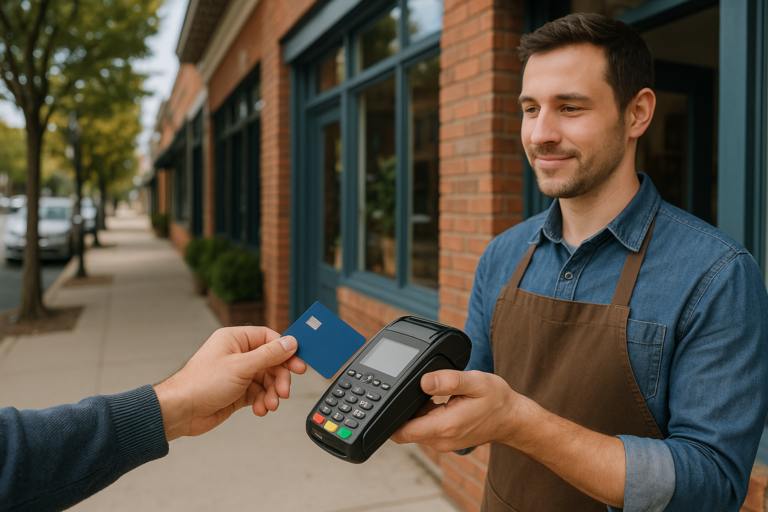
Credit Card Processing Services in Glen Ridge, NJ

Running a business in Glen Ridge means customers expect fast, reliable ways to pay—whether they’re purchasing in-store, paying over the phone, or completing a card transaction at the point of service. Harlow Payments helps local businesses accept credit and debit cards with solutions built for everyday reliability and smoother checkout experiences.

Choosing the right credit card processing partner can also help you reduce friction, stay competitive, and manage payment activity with clear, practical tools. From selecting a setup that fits your sales channels to supporting day-to-day processing, Harlow Payments focuses on helping businesses keep payments moving without unnecessary complexity. If you’re looking to upgrade an existing system or explore options that better support your workflow, a local conversation can help you understand what’s possible for your business.

This page explains how businesses in and around Glen Ridge can access credit card processing services, what to consider before you switch providers, and how to prepare so your transition is smooth. You’ll also find quick guidance on common questions, including how to evaluate pricing structures, ensure secure card handling, and choose equipment and payment methods that match your customer experience.

How businesses in Glen Ridge can access credit card processing with Harlow Payments

Businesses across Glen Ridge, New Jersey typically start by identifying how they take payments today—whether that’s in-person at a register, in a shop or service setting, by phone, or through an online sales flow. Harlow Payments supports businesses as they evaluate their options and connect the right processing setup to their operations.

Accessing credit card processing locally is usually straightforward: you reach out to Harlow Payments to discuss your current payment needs, share basic information about your typical transactions, and then review solution options designed to fit your business model. From there, you can move toward a payment setup that helps you accept cards confidently and keep customer transactions running smoothly.

Benefits local businesses look for in credit card processing

  • More payment options at checkout: Accepting major card types helps reduce the chance of lost sales when customers prefer to pay by card.
  • Faster, smoother transactions: A streamlined payment experience can reduce wait times and support day-to-day service.
  • Support for different sales channels: Many businesses need payment acceptance that aligns with how customers actually buy, whether in-person or beyond.
  • Security and responsible handling: Card payments require careful attention to security practices; the right processing approach supports safer transactions.
  • Clear next steps: Rather than guessing, you can work with a provider to understand what changes may be needed and what to expect during setup.

What to consider before switching payment providers

If you’re evaluating a change in credit card processing, it helps to review a few key factors with Harlow Payments. This can help ensure the new setup supports your business goals and fits your operations.

  • Your current payment method: Are you primarily card-present, card-not-present, or both? Knowing this helps determine what configuration is most appropriate.
  • Transaction volume and typical ticket size: Understanding your day-to-day payment patterns can guide which features and processing approach are a better match.
  • How you manage receipts and reconciliation: Consider how you track daily sales, reconcile activity, and support bookkeeping needs.
  • Hardware and software compatibility: If you use existing systems (such as a POS or checkout workflow), confirm compatibility and what changes may be required.
  • Pricing transparency: Ask for clear details about any fees and what’s included so you can compare options confidently.

Preparing for a smooth local setup in Glen Ridge

To help make onboarding easier, gather basic information before your conversation with Harlow Payments. You can start with a simple list of how you take payments today, the types of transactions you handle most frequently, and any goals you have—such as accepting more card types, reducing checkout friction, or aligning payments with your preferred workflow.

Once you’ve identified your needs, the next step is to review the processing solution that best matches your environment. With the right setup, your business can be positioned to accept credit and debit cards more efficiently while keeping payment activity organized for daily operations.

Questions to ask when you contact Harlow Payments

  • Which credit and debit card types will we be able to accept through the proposed processing setup?
  • How will we handle in-person transactions versus remote or online payments (if applicable)?
  • What equipment or integration steps are typically required based on our current workflow?
  • What information do you need from us to recommend the best option?
  • How do you support ongoing processing so we can manage payments with confidence?

When you’re ready to improve payment acceptance, Harlow Payments can help you map out practical next steps for your business in Glen Ridge.

Glen Ridge is a community where customers value convenience and smooth in-person service, which makes credit card processing an important part of everyday business operations. Local businesses often rely on quick, dependable transactions to keep customers moving and purchases completed without interruptions. Credit card processing services can also support businesses that serve customers in more than one way—such as in-store purchases, phone orders, or other non-cash payment preferences. When the payment experience is consistent, it can help reduce checkout friction and improve customer satisfaction. Harlow Payments supports Glen Ridge businesses by focusing on practical solutions: understanding how you take payments today, recommending an appropriate setup, and helping you move toward reliable card processing with clear expectations. If you’re considering an upgrade or exploring new options, a local conversation can help you choose an approach that aligns with your sales channels and day-to-day workflow.

Frequently Asked Questions About Credit Card Processing in Glen Ridge, New Jersey

What credit card processing options are available for small businesses near Glen Ridge?

Most small businesses use either traditional merchant accounts or modern payment processors that bundle account services. You can typically choose between in-person terminals, mobile card readers, or online/virtual terminals for invoices and e-commerce. Ask about how payments are deposited, what fees apply (often interchange, processor fees, and potential monthly charges), and whether you can accept major card types. A reliable provider can also help you pick the right setup for your sales channels.

How do I reduce credit card processing fees for my business?

Credit card fees vary based on transaction type and card category, so the best savings come from using the right method for each transaction. For example, swiped or tapped payments often differ in cost from keyed-in payments. Also, matching your pricing model and payment settings to your typical customers can help. Review your statements for fee components, confirm you’re using appropriate terminals or card-present solutions, and ask your provider how batching and data processing affect total costs.

Can I accept payments securely if I’m using a POS system or accounting software?

Yes—security is usually handled through PCI-compliant payment flows that protect card data during processing. In many setups, your POS or accounting software connects to a payment gateway or integrated processor, reducing the need for you to store card information. It’s important to confirm how your system handles card entry and whether it tokenizes payment data. A professional setup should also help you maintain secure practices when configuring devices and software.

What happens if there’s a chargeback or customer dispute on a transaction?

When a customer disputes a charge, the merchant typically receives instructions on what documentation to provide. Your best approach is to keep records tied to the transaction—such as proof of delivery for goods, service confirmation for completed work, or signed receipts when applicable. A good processor can explain the dispute workflow, deadlines, and what evidence is most effective. Ensuring consistent transaction details helps prevent avoidable disputes and simplifies responses.

How do I get started with credit card processing for in-person and online sales?

Start by identifying where you take payments: countertop terminal for in-person sales, a mobile reader for off-site payments, and a payment gateway for website orders. Next, gather basics like your business type, estimated monthly volume, and preferred payment methods (chip, tap, online checkout). Then choose an integration path that fits your current tools. A helpful provider will walk you through setup steps, testing transactions, and understanding your first statement so there are no surprises.

Frequently Asked Questions About Credit Card Processing in Glen Ridge, New Jersey

What credit card processing options are available for small businesses near Glen Ridge?

Most small businesses use either traditional merchant accounts or modern payment processors that bundle account services. You can typically choose between in-person terminals, mobile card readers, or online/virtual terminals for invoices and e-commerce. Ask about how payments are deposited, what fees apply (often interchange, processor fees, and potential monthly charges), and whether you can accept major card types. A reliable provider can also help you pick the right setup for your sales channels.

How do I reduce credit card processing fees for my business?

Credit card fees vary based on transaction type and card category, so the best savings come from using the right method for each transaction. For example, swiped or tapped payments often differ in cost from keyed-in payments. Also, matching your pricing model and payment settings to your typical customers can help. Review your statements for fee components, confirm you’re using appropriate terminals or card-present solutions, and ask your provider how batching and data processing affect total costs.

Can I accept payments securely if I’m using a POS system or accounting software?

Yes—security is usually handled through PCI-compliant payment flows that protect card data during processing. In many setups, your POS or accounting software connects to a payment gateway or integrated processor, reducing the need for you to store card information. It’s important to confirm how your system handles card entry and whether it tokenizes payment data. A professional setup should also help you maintain secure practices when configuring devices and software.

What happens if there’s a chargeback or customer dispute on a transaction?

When a customer disputes a charge, the merchant typically receives instructions on what documentation to provide. Your best approach is to keep records tied to the transaction—such as proof of delivery for goods, service confirmation for completed work, or signed receipts when applicable. A good processor can explain the dispute workflow, deadlines, and what evidence is most effective. Ensuring consistent transaction details helps prevent avoidable disputes and simplifies responses.

How do I get started with credit card processing for in-person and online sales?

Start by identifying where you take payments: countertop terminal for in-person sales, a mobile reader for off-site payments, and a payment gateway for website orders. Next, gather basics like your business type, estimated monthly volume, and preferred payment methods (chip, tap, online checkout). Then choose an integration path that fits your current tools. A helpful provider will walk you through setup steps, testing transactions, and understanding your first statement so there are no surprises.