
Frequently Asked Questions About Credit Card Processing in Bronx, New York
What’s the difference between a card-present and card-not-present credit card processing?
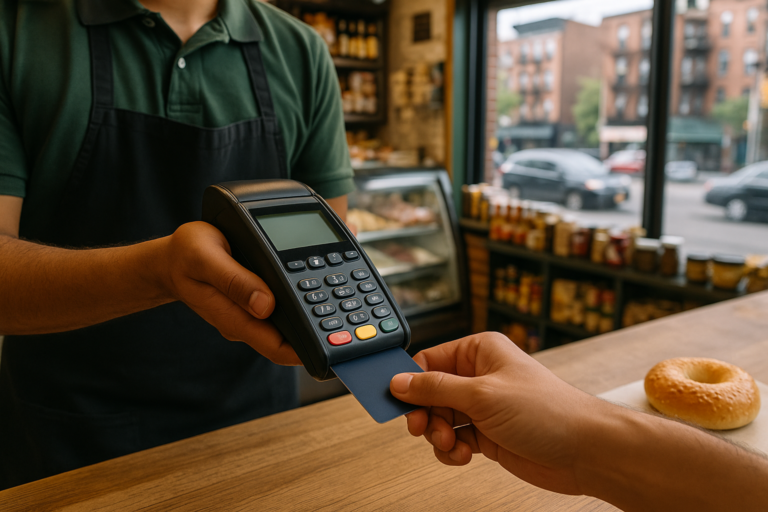
Card-present processing is used when the customer swipes, inserts, or taps a card at the time of purchase. Card-not-present processing is used for online orders, invoices, and phone payments. The setup, security requirements, and fraud controls can differ significantly. If you take payments in-store and online, you may need a system that supports both transaction types, along with appropriate settings for authorization rules and customer verification.
How do I choose the right credit card processor for my Bronx-based business?
Start by listing how you take payments today—swipe/tap, invoicing, e-commerce, or a mix. Then ask how the provider handles hardware, payment gateways, chargeback support, and reporting. Review fee structures carefully to understand what applies to different transaction types. It’s also helpful to confirm compatibility with your POS or accounting software. A good processor should make it clear what you pay for and what you receive in return.
What should I do to reduce chargebacks and payment disputes?
To reduce chargebacks, focus on clear transaction records and accurate billing. Use the correct descriptor, ensure invoices match delivered services, and keep documentation such as signed receipts or service confirmations when applicable. For card-not-present transactions, enable fraud screening tools and use secure checkout workflows. Train staff to avoid keying errors, and reconcile deposits regularly so you can spot issues early. If disputes occur, respond promptly with complete evidence and timelines.
Do I need a payment terminal or will my business get by with a mobile solution?
It depends on how you sell. If you take payments face-to-face, a terminal or countertop reader may suit in-store checkout needs. If you do pop-ups, curbside pickup, or services on the go, a mobile card reader or integrated solution can be more practical. Some setups also support both. When deciding, consider receipt printing needs, connectivity reliability, and how you’ll handle returns or refunds while keeping transaction history organized.
How does PCI compliance work for credit card processing?
PCI compliance refers to security standards that protect card data. Many processors reduce your burden by handling sensitive payment information within their systems, meaning you shouldn’t store raw card numbers. You’ll still need to follow best practices such as using secure payment terminals, controlling access to payment screens, and ensuring any hosted payment pages are configured properly. Ask your processor what’s covered on their side and what your business must do to stay compliant.