
Frequently Asked Questions About Credit Card Processing in Hicksville, New York
What do I need to get started with credit card processing for my business in Hicksville?
To get started, gather a few basics: your business details (business type and tax information), the type of payments you plan to accept (swipe, chip, contactless, online), and how you’ll process transactions (in-store terminal, mobile reader, or e-commerce). You’ll also want to confirm whether you need recurring payments, invoicing, or simple point-of-sale integration. A merchant account setup typically involves providing identity and business verification before payments can be routed to your account.
How are credit card processing fees calculated?
Credit card processing costs are usually made up of multiple components, such as interchange fees set by the card networks, assessment fees, and the payment processor’s markup or service fees. Some setups also include monthly platform or gateway charges, plus possible fees for chargebacks or payment disputes. The most practical way to understand your true cost is to review your pricing structure and compare it to your expected volume and average ticket size, including whether you process mostly online or in-person.
Can you help me accept chip and contactless payments, not just swipes?
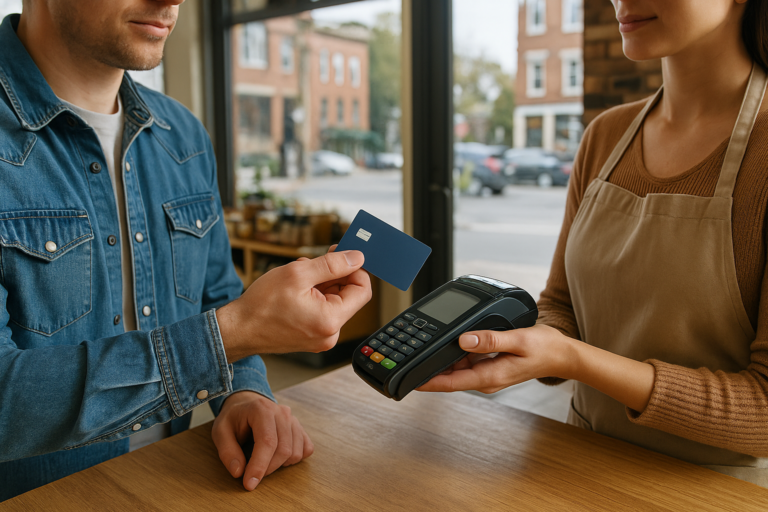
Yes—modern credit card processing supports chip (EMV) and contactless payments (such as tap-to-pay) in addition to traditional swipes. When choosing a solution, confirm the hardware or payment method supports the form factors you want to offer at your checkout. For mobile or on-the-go businesses, ensure the reader supports contactless and keeps payments secure. For online orders, make sure your checkout and payment gateway are compatible with card-present and card-not-present transaction flows.
What’s the best setup for online payments if I also take cards in person?
If you accept payments both in person and online, you’ll typically want a system that keeps transaction data consistent and supports the payment channels you use. Common options include integrating a payment gateway for your website with a point-of-sale system for in-store sales. This can help with reconciliation, reporting, and refunds. Ask about how invoices, recurring billing, and chargebacks are handled across channels, so you don’t have to manage refunds or disputes differently for each sales method.
How do chargebacks work, and how can I reduce them?
A chargeback happens when a cardholder disputes a transaction, which triggers a review by the card network and involved parties. To manage them effectively, keep clear records such as receipts, proof of delivery (for shipping), and confirmation emails (for online orders). Having a straightforward refund and cancellation policy can also help. Reduce preventable chargebacks by ensuring accurate descriptors, processing payments correctly for the transaction type, and using fraud tools when appropriate to flag suspicious activity early.