
Frequently Asked Questions About Credit Card Processing in Teterboro, New Jersey
What types of credit card processing can businesses use in Teterboro, NJ?
Most businesses can process credit cards through card-present terminals, mobile or countertop readers, and online payment gateways for e-commerce. If you take payments in person, you’ll typically need a merchant account and a payment terminal. If you sell online or invoice customers, you’ll usually use an online processing setup. A good provider can help you match your setup to how you collect payments—swipe, tap, invoicing, or web checkout—so you’re not overpaying for features you don’t use.
How do credit card processing fees typically work?
Credit card processing costs are commonly made up of multiple parts, including interchange fees set by card networks and fees charged by the processor for handling transactions. You may also see assessment or other pass-through charges depending on the card type and transaction method. Rates can vary based on factors like whether the card is present, the industry category, and the payment channel (in-person vs. online). It’s important to review your statement line items and ask how the pricing is structured before you sign up.
What’s the difference between a merchant account and a payment gateway?
A merchant account is the account that enables your business to accept card payments and route funds to you. A payment gateway is the technology that securely captures and sends payment data to the network and processor, especially for online payments and e-commerce checkout. Some businesses use bundled solutions that combine both. If you’re processing in-store, you may rely more on terminal-based equipment. If you’re selling online or using invoices, the gateway becomes a key component for secure payment acceptance.
How can I reduce chargebacks and payment disputes?
Chargebacks often stem from unclear transaction details, processing errors, or customer confusion. To help reduce disputes, keep your receipts and transaction records organized, confirm that invoices show the correct description, and ensure your customer-facing payment flow is straightforward. For online payments, use secure checkout and accurate billing information. If you’re seeing recurring issues, review authorization declines and refund practices. A dependable processing setup also helps you track transactions so you can respond to disputes with documentation.
What equipment or setup do I need for accepting tap-to-pay and mobile payments?
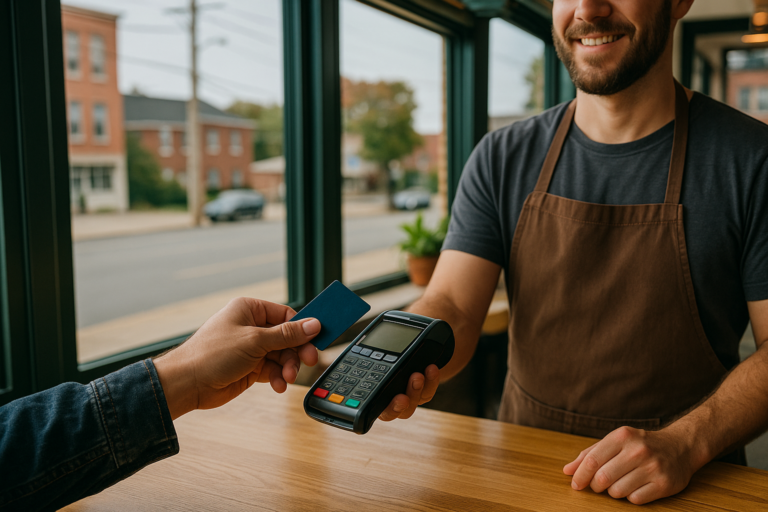
To accept tap-to-pay and contactless payments, you’ll generally need an NFC-enabled terminal or compatible payment reader that supports contactless technology. If you’re using mobile payments, you may use a handheld reader connected to a smartphone or tablet with the right processing app or interface. For in-store setups, confirm that your hardware supports the card types you receive most often (e.g., contactless). You may also need integration steps with your POS system if you have one, so transactions sync correctly for reporting.