
Frequently Asked Questions About Credit Card Processing in Northville, New York
What types of credit card processing options are available for small businesses in Northville, NY?
Most local businesses choose between card-present solutions (in-store swiping, inserting, or tapping at a terminal) and card-not-present options (for phone or online payments). Many providers also support integrated payment links and virtual terminals for invoices. When comparing options, look at how payments are captured, what hardware is needed, and whether your current point-of-sale system can connect. A good setup should also support recurring payments if you bill memberships or subscriptions.
How do credit card processing fees work, and what should I watch for?
Credit card processing typically involves multiple components, such as interchange fees, assessment fees, and a processor’s service fee or markup. The exact structure varies by provider and by card type (for example, rewards or business cards). Ask for a clear fee schedule and a breakdown of “fixed” versus “percentage” charges. Also review any monthly fees, chargeback handling costs, and whether your statement shows itemized transactions. This helps you forecast expenses accurately.
Can you help me accept chip and contactless payments securely?
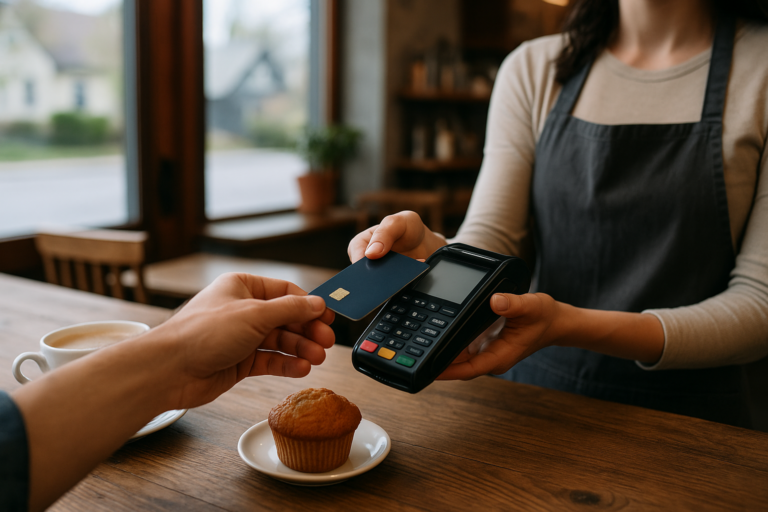
Yes. Modern credit card processing should support EMV chip cards and contactless payments (NFC) so customers can tap or insert their cards. Security matters: your setup should follow PCI-related best practices, use encrypted connections between your terminal and processing network, and minimize where card data is stored. If you’re upgrading hardware, confirm compatibility with your existing equipment and whether any settings need to be configured for chip and tap acceptance at checkout.
What’s the best way to handle chargebacks and disputes when processing cards?
Chargebacks are requests from cardholders to reverse a transaction, often due to authorization issues, billing disputes, or delivery/service concerns. A responsible processing partner helps you manage documentation and respond promptly with the evidence required for the specific reason code. In practice, you’ll want clear receipts, refund/return policies, and records of authorization and customer communications. Keeping transactions organized reduces the time and effort needed to contest legitimate disputes.
Do I need a new merchant account to start accepting credit cards?
Often, it depends on what you already have. Some businesses work with a merchant account through a payment processor, while others use payment platforms that provide processing capabilities without a separate traditional merchant account setup. If you’re currently using a POS system, the key question is whether it can integrate with your processor or whether you need a compatible terminal. Before switching, review how payouts are deposited, what onboarding steps are required, and what data your system needs to authenticate transactions.