
Frequently Asked Questions About Credit Card Processing in North New Hyde Park, New York
What types of credit card processing can I use for my business in North New Hyde Park?
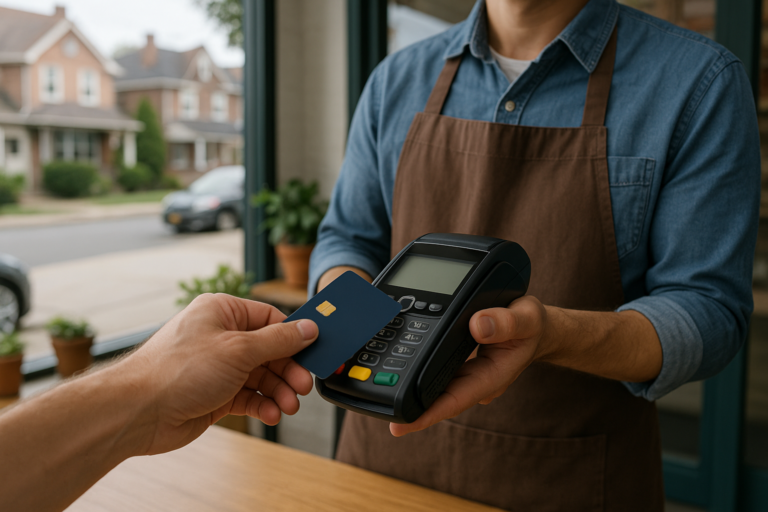
Most businesses use a combination of card-present and card-not-present processing. Card-present typically covers in-store swipes, dips, or taps using a terminal. Card-not-present covers online orders, phone orders, and invoicing. Some providers also support recurring billing for subscriptions and digital invoicing tools. Ask about how transactions are handled, what hardware is compatible, and whether your current payment setup can be integrated with a new system.
How do I choose between a credit card terminal, mobile reader, or online payment gateway?
Your choice depends on where customers pay and how you operate. A countertop terminal or PIN pad is common for fixed locations and helps keep checkout consistent. A mobile reader can be useful for staff who take payments on the floor or during on-site service. An online payment gateway supports ecommerce and web checkouts. If you use multiple channels, you may benefit from a solution that consolidates reporting across devices.
What should I expect from the merchant account setup and underwriting process?
Setup usually starts with providing business details, ownership information, and how payments will be processed. Underwriting may review transaction type, expected volume, and risk factors to ensure appropriate processing terms. Be prepared to share basic information about your business model, billing practices, and contact details. After approval, you’ll typically receive instructions for connecting the payment hardware and confirming that your checkout workflows are working correctly.
How can I reduce payment processing fees and avoid unexpected charges?
Fees can vary based on card type, transaction method, and how your account is structured. To reduce surprises, ask for a clear breakdown of pricing components (such as processing rates, statement fees, and any add-on costs). Ensure your software setup is configured correctly so transactions route properly. Regularly review your monthly statements, compare totals to your sales records, and confirm whether surcharges or fees apply differently for refunds, chargebacks, or recurring payments.
What happens if a customer disputes a charge or I need to handle chargebacks?
Chargebacks occur when a cardholder disputes a transaction, so your response typically involves submitting documentation showing why the charge was valid. Keep records such as receipts, authorization details, delivery or service confirmation (when applicable), and communication logs. A well-organized refund and transaction tracking process can help prevent disputes and make responses easier. Ask your processor how chargeback alerts are delivered and what guidelines apply to your specific card type.