
Frequently Asked Questions About Credit Card Processing in Bradley Beach, New Jersey
What types of credit card processing can I use for my small business in Bradley Beach, NJ?
Most credit card processing setups support common payment types like swipe, chip (EMV), contactless payments, and mobile wallet transactions. Many businesses can also choose between traditional card readers, countertop terminals, or newer tablet/phone-based options depending on how you take payments. If you sell in-person, run invoices, or accept online payments, your provider can help you match the hardware and payment method to your workflow. Ask about how transactions are routed and how statements appear.
Do I need to install new equipment to start accepting credit cards?
You may not need a full overhaul, but it depends on what you’re currently using. Some businesses can add a card reader or update their terminal settings, while others benefit from switching to a chip-capable, contactless-ready device. If you accept payments through an online store or invoicing, you may only need the payment integration rather than physical hardware. A good provider can evaluate your current setup and recommend the simplest path to accept modern card payments securely.
How do credit card processing fees typically work, and what should I watch for?
Processing costs usually involve card network and payment processing charges that can vary by transaction type and volume. You may see elements like per-transaction fees, percentage-based fees, and sometimes additional charges depending on the card method used (in-person versus keyed/online). To avoid surprises, ask for a clear breakdown of the fee structure and what triggers different rates. It’s also important to understand settlement timing, refund handling, and any monthly or account-related charges.
What’s the difference between using a payment terminal and processing payments through an online checkout?
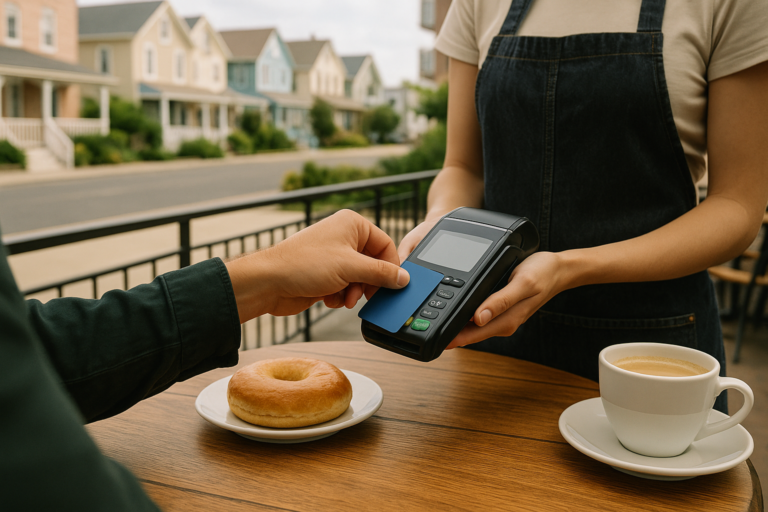
A credit card terminal is designed for in-person transactions, handling swipes, chips, and contactless payments. Online checkout is for card-not-present payments, such as when customers order from a website or pay an invoice. While both use the same underlying card networks, the setup, security considerations, and data flow are different. If your business serves customers both on-site and remotely, you can often use one processing account with the right integrations for each channel.
How can I reduce the risk of chargebacks and payment disputes?
Chargebacks often happen when customers report a payment issue, card expiration, or an unclear transaction. To lower risk, make sure your receipts and invoices clearly describe the goods or services, refund policies, and any authorization details. Keep records of delivery or service completion and respond promptly if a dispute is filed. For online payments, use secure checkout practices and verify customer information where appropriate. A processor can also explain how dispute notifications are handled and what documentation is most helpful.