
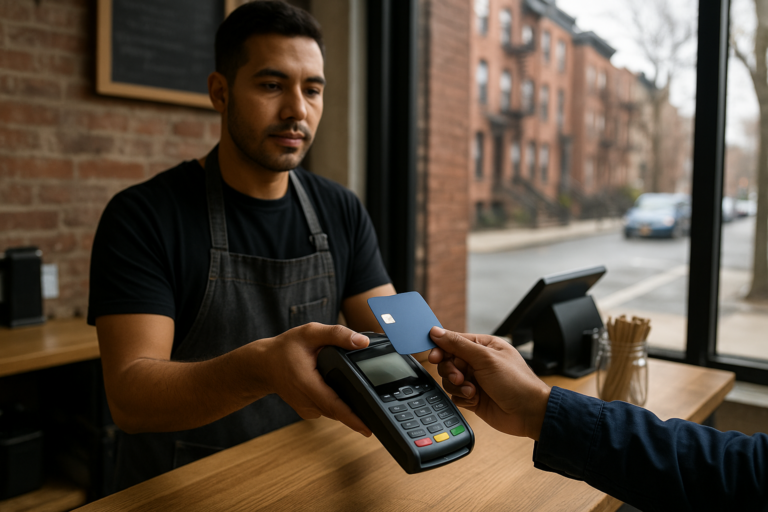
Reliable Credit Card Processing in Union City, New Jersey

If you run a shop, restaurant, or service business in Union City, reliable credit card processing helps you serve customers quickly, reduce payment friction, and keep sales moving. When customers can pay with the card methods they expect, checkout feels effortless—and you can spend more time on your customers instead of payment issues.

Harlow Payments provides credit card processing solutions for local businesses across New Jersey. Whether you’re looking to upgrade an existing setup or streamline how you accept payments, you can access support designed to fit real-world day-to-day operations. The right processing approach can also help you manage transactions more consistently, keep records organized, and reduce the chance of interruptions that frustrate customers.

Choosing a provider that understands how local businesses operate matters. With Harlow Payments, you can explore practical options that align with the way you sell—whether you take payments in person, online, or both. The goal is simple: help you accept payments reliably and securely, while maintaining a checkout experience that customers trust.

Local Credit Card Processing Support for Union City Businesses

Union City is a busy, customer-focused community, and payment reliability directly impacts your day. When your credit card system is stable and responsive, you can keep lines moving, minimize payment delays, and maintain a professional customer experience. Harlow Payments helps Union City merchants find a processing setup that supports how they do business today and gives them room to adapt as needs change.

Choose the Payment Setup That Fits Your Operations

Credit card processing isn’t one-size-fits-all. The best solution depends on how you accept payments and how you operate throughout the day. Consider the options below when planning your payments approach:

  • In-person card acceptance: Helps you process transactions efficiently at the point of sale for storefront and counter service.

  • Online and mobile payments: Useful if you sell through a website, take payments by message, or manage orders remotely.

  • Multi-location or evolving needs: If your business grows or your workflow changes, you’ll want a processing partner that can help you adjust without unnecessary disruption.

Benefits of Working With Harlow Payments

When you partner with Harlow Payments, you’re not just selecting a processor—you’re choosing a provider focused on supporting merchants as they accept payments. Depending on your business needs, advantages may include:

  • Reduced checkout friction: A streamlined payment flow can help you keep transactions moving, especially during peak hours.

  • Secure payment handling: A reliable processing solution is designed to protect payment data and support safer transaction experiences.

  • Consistency and clarity: Organized payment processing can help your team track activity and manage day-to-day sales reporting.

  • Local, practical guidance: Merchant support that takes real workflow needs into account—so you can make confident decisions about your setup.

How to Get Started Locally in Union City

Getting credit card processing up and running should be straightforward. Here’s a practical path Union City businesses can follow when working with Harlow Payments:

  • Assess how you accept payments: Identify whether you need in-person, online, or a combination of methods.

  • Gather details about your current setup: If you’re upgrading, take note of your existing hardware/software and any pain points you want to resolve.

  • Talk through your processing goals: Share what matters most—reliability, speed at checkout, support responsiveness, and ease of management.

  • Confirm a plan for implementation: Work with Harlow Payments to align timelines and ensure your payment workflow stays smooth.

  • Train your team: Make sure staff understands how transactions work so customers get consistent experiences.

What to Expect From a Reliable Processing Experience

Union City merchants benefit when payments run predictably. A dependable solution helps you avoid avoidable downtime, supports consistent transaction handling, and keeps your checkout experience professional. If you’ve experienced issues with acceptance, delays, or confusing payment management, upgrading your processing approach may help you regain control and confidence.

Harlow Payments is built to support businesses that want a stable credit card processing foundation—so customers can pay with confidence and your team can focus on what you do best.

Union City is home to many small businesses serving residents and visitors every day, where convenience matters at checkout. When credit card processing is reliable, customers experience faster payments and fewer interruptions—helping you protect sales even during busy periods. Local merchants often need solutions that match their real workflow. Some businesses primarily accept cards in person, while others also take payments remotely or online. With Harlow Payments, you can discuss a processing approach designed for your payment methods and operational priorities. Choosing a trusted provider can also make day-to-day payment management easier for business owners and staff. Instead of scrambling to address processing concerns, you can work with a partner that helps you plan upgrades, support your team, and maintain a payment experience customers trust. If you’re improving checkout reliability or preparing to accept payments more effectively, Harlow Payments offers a practical way to get started in Union City, New Jersey.

Frequently Asked Questions About Credit Card Processing in Union City, New Jersey

What options do I have for credit card processing for my business in Union City, NJ?

Most businesses can choose between a traditional merchant account (often with a dedicated payment processor) and modern “payment services” platforms that simplify setup. You may also be able to accept cards in-store with terminals, online with a checkout link or payment gateway, and sometimes via mobile readers. The best choice depends on whether you sell in person, online, or both, the average ticket size, and how you manage refunds or recurring payments.

How do credit card fees and processing costs typically work?

Credit card costs usually include a mix of processing fees and card-network charges. The exact structure varies by provider, but you’ll commonly see fees tied to each transaction and sometimes additional costs for specific features. It’s important to review how rates are calculated (for example, whether they differ by card type or transaction method) and ask how chargebacks, refunds, and disputes affect your statement. A clear fee schedule helps avoid surprises.

Can I accept contactless payments and mobile wallet transactions?

In many setups, contactless payments (tap-to-pay) and mobile wallets like Apple Pay and Google Pay are supported through the payment terminal or payment gateway you use. To confirm compatibility, check whether your terminal supports NFC/contactless and whether your online checkout is integrated with a gateway that handles tokenized wallet payments. If you also accept recurring subscriptions, verify that your system supports customer token storage and the correct transaction types for those billing flows.

What is a chargeback, and how should I handle it to reduce risk?

A chargeback is when a cardholder disputes a transaction and the issuing bank reverses or investigates the payment. To reduce risk, keep accurate records of sales and delivery/fulfillment (if applicable), ensure your descriptors are clear, and respond promptly to dispute requests with documentation. Train staff to follow refund and return policies consistently, and make sure the payment amount and transaction date match the customer’s authorization. Clear policies can help during disputes.

How do I set up credit card processing securely for in-person and online payments?

Security starts with choosing reputable processing hardware or a secure payment gateway, then following proper handling procedures. For in-person payments, this means using PCI-aligned terminals and avoiding any manual workaround that could expose card data. For online payments, use a gateway-hosted checkout page or secure integration so card numbers are not handled directly by your website code. You should also set up role-based access for users managing transactions and follow your provider’s recommended security settings.

Frequently Asked Questions About Credit Card Processing in Union City, New Jersey

What options do I have for credit card processing for my business in Union City, NJ?

Most businesses can choose between a traditional merchant account (often with a dedicated payment processor) and modern “payment services” platforms that simplify setup. You may also be able to accept cards in-store with terminals, online with a checkout link or payment gateway, and sometimes via mobile readers. The best choice depends on whether you sell in person, online, or both, the average ticket size, and how you manage refunds or recurring payments.

How do credit card fees and processing costs typically work?

Credit card costs usually include a mix of processing fees and card-network charges. The exact structure varies by provider, but you’ll commonly see fees tied to each transaction and sometimes additional costs for specific features. It’s important to review how rates are calculated (for example, whether they differ by card type or transaction method) and ask how chargebacks, refunds, and disputes affect your statement. A clear fee schedule helps avoid surprises.

Can I accept contactless payments and mobile wallet transactions?

In many setups, contactless payments (tap-to-pay) and mobile wallets like Apple Pay and Google Pay are supported through the payment terminal or payment gateway you use. To confirm compatibility, check whether your terminal supports NFC/contactless and whether your online checkout is integrated with a gateway that handles tokenized wallet payments. If you also accept recurring subscriptions, verify that your system supports customer token storage and the correct transaction types for those billing flows.

What is a chargeback, and how should I handle it to reduce risk?

A chargeback is when a cardholder disputes a transaction and the issuing bank reverses or investigates the payment. To reduce risk, keep accurate records of sales and delivery/fulfillment (if applicable), ensure your descriptors are clear, and respond promptly to dispute requests with documentation. Train staff to follow refund and return policies consistently, and make sure the payment amount and transaction date match the customer’s authorization. Clear policies can help during disputes.

How do I set up credit card processing securely for in-person and online payments?

Security starts with choosing reputable processing hardware or a secure payment gateway, then following proper handling procedures. For in-person payments, this means using PCI-aligned terminals and avoiding any manual workaround that could expose card data. For online payments, use a gateway-hosted checkout page or secure integration so card numbers are not handled directly by your website code. You should also set up role-based access for users managing transactions and follow your provider’s recommended security settings.