
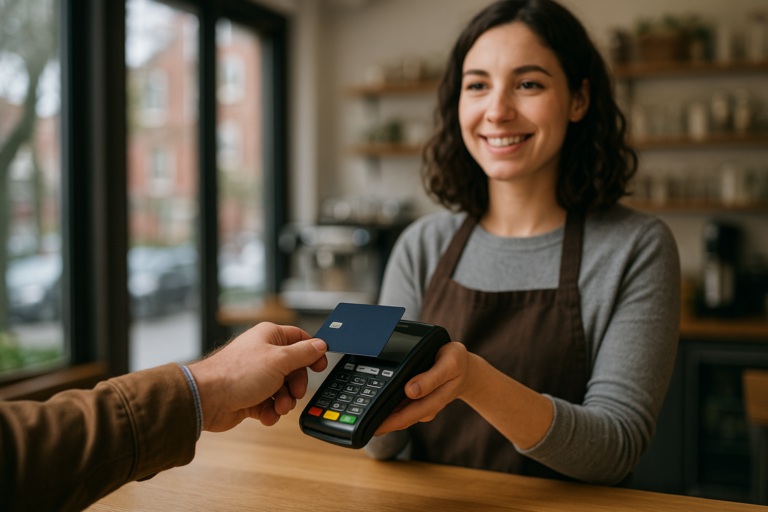
Frequently Asked Questions About Credit Card Processing in Lawrence, New York
What options are available for credit card processing for small businesses in Lawrence, NY?
Most small businesses can choose between a card-present setup (in-store terminals or card readers) and card-not-present processing (online invoices, phone payments, or e-commerce). You may also need payment links or invoicing tools if you don’t have a physical checkout. When comparing options, look at transaction types you’ll accept, how you take payments today, and whether you need reporting that matches your bookkeeping. A clear setup can prevent payment interruptions and reduce reconciliation work.
How do I reduce processing fees and avoid surprise charges?
Processing fees usually vary based on card type, transaction method, and how payments are routed. To reduce surprises, ask your provider how fees are calculated and whether there are separate charges for things like chargebacks, monthly service, batch fees, or equipment. Request an itemized fee schedule and compare it to your current statements. It’s also helpful to confirm which cards you expect most often (debit, credit, rewards cards) and whether you’ll be running card-present or online transactions, since rates can differ.
What do I need to start accepting credit cards for my business?
Typically you’ll need an account with a merchant services provider, plus payment hardware if you accept cards in person. Many businesses also connect a checkout system or invoicing workflow so payments automatically sync with your sales records. Be ready with basic business information and bank details for payouts. If you take online payments, you may need a payment gateway or integration with your website platform. Having a clear checklist helps ensure your account is configured correctly from day one.
How are chargebacks handled, and what can I do to prevent them?
A chargeback happens when a customer disputes a transaction. To handle them effectively, keep records that show the payment and the transaction details, such as receipts, order confirmations, proof of delivery (for online sales), and refund documentation. Preventing chargebacks often comes down to clear billing descriptors, accurate descriptions on receipts/invoices, and prompt responses to customer concerns. If you accept card-not-present payments, verifying identity and confirming order details can significantly lower disputes.
Is it more secure to process payments in person or online?
Both can be secure, but they rely on different safeguards. In-store payments typically use encrypted card readers and tokenization, while online payments usually require a secure payment gateway and compliance with data security standards. If you’re deciding between options, consider what devices you’ll use, whether customers can enter payment details directly on a secure page, and how your checkout handles sensitive data. Ask how the system protects card data and how you receive fraud and authorization alerts.