
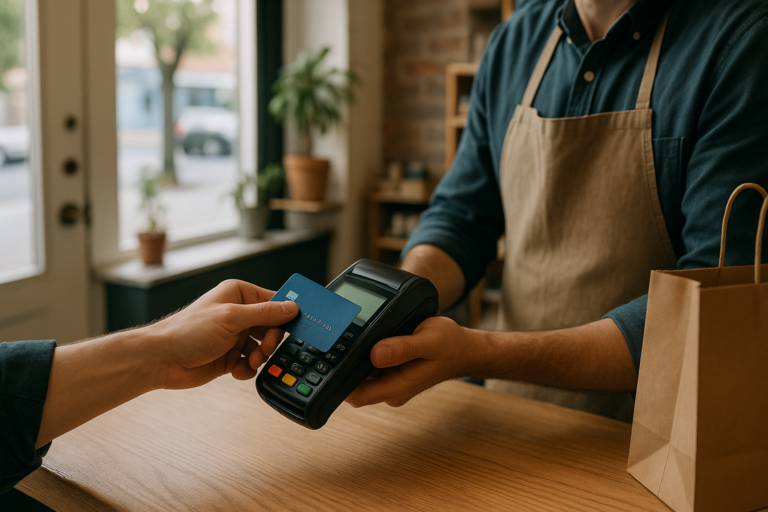
Frequently Asked Questions About Credit Card Processing in Woodmere, New York
What types of credit card processing can I set up for my business in Woodmere?
Credit card processing can support a range of business needs, including in-store swipes/taps, chip-card acceptance, and keyed-in transactions when appropriate. Many providers also offer online payment options for websites and invoice payments. If you take payments at events or on the go, you may also need mobile processing. The right setup depends on how customers pay and whether you need recurring billing, tips, or integration with your current software.
How do I choose between a card reader, a POS system, or an online payment gateway?
Start with where you take payments. If most purchases are in-person, a terminal or card reader plus a simple POS may be sufficient. If you sell through a website or take invoices, a payment gateway and online checkout are often more important. Some businesses need both. A good provider can help map your current workflow—hardware, software, checkout, and reporting—so you don’t pay for features you won’t use.
What should I know about credit card fees and pricing before switching providers?
Credit card pricing can include multiple components, so it’s important to understand what you’re paying for and when. Ask what portion relates to transaction processing versus other charges, such as monthly or statement fees. Also clarify how fees may change based on card type (like rewards cards) and whether transactions are keyed, swiped, or tapped. Request a written breakdown so you can compare apples to apples across options.
Do you handle chargebacks and disputed transactions?
Chargebacks typically happen when a cardholder disputes a transaction. A reliable processing setup should include guidance on how to respond with documentation, such as proof of authorization, transaction records, and relevant customer communication. It’s important to maintain accurate receipts and records of service delivery or order fulfillment. While chargeback outcomes vary, good processes—clear policies, accurate descriptors, and timely recordkeeping—can help reduce disputes and improve your response quality.
What are the best practices to keep my card payments secure?
Security starts with using up-to-date payment hardware and following proper handling procedures. Your team should know how to avoid storing sensitive card data unnecessarily, how to limit access to payment-related systems, and how to use strong passwords and secure networks. It also helps to review transaction activity regularly to catch unusual patterns early. When selecting a processor, ask what security features are included and how compliance responsibilities are supported.