
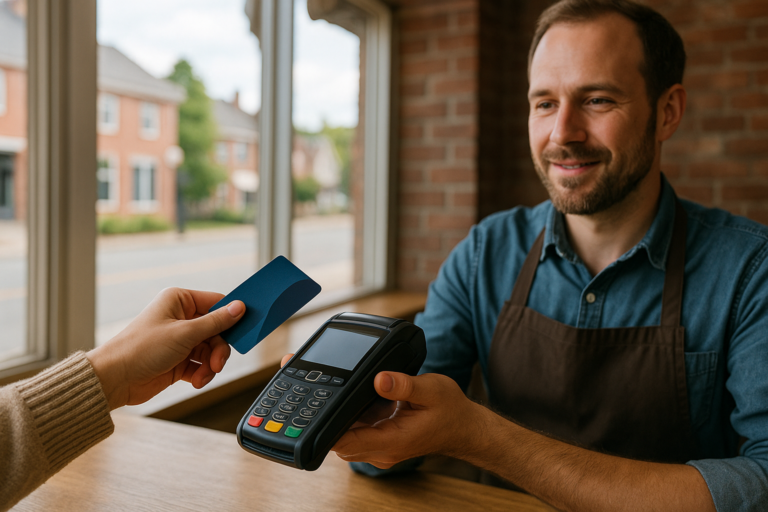
Local Credit Card Processing in Woodbury, NY

Whether you run a small shop in Woodbury or manage payments for a growing business, reliable credit card processing can help you serve customers smoothly and keep transactions moving. Harlow Payments in New York works with local businesses to support everyday card payments—so you can focus on your customers rather than troubleshooting payment issues.

Accessing payment processing locally can mean faster communication, clearer guidance, and a straightforward path to getting set up. If you’re evaluating a new merchant account, upgrading an existing system, or trying to reduce payment friction at checkout, Harlow Payments can help you understand your options and choose a solution that fits how you sell—whether you’re taking payments in person, online, or through a hybrid setup.

How Woodbury businesses can get credit card processing locally

For many Woodbury merchants, the biggest concern isn’t only approval—it’s having a practical system that works day to day. Harlow Payments is built around helping businesses understand and implement credit card processing in a way that’s easier to manage, with support available when you need it.

Getting started typically comes down to a few simple steps: reviewing how you accept payments, matching the right processing approach to your setup, and ensuring your payment flow is clear for both you and your customers. If you’re currently using a basic solution or dealing with delays, chargebacks you don’t understand, or checkout steps that slow purchases, local guidance can make the difference.

Benefits of working with Harlow Payments

  • Local, business-focused support: You can talk through your payment needs with a partner that understands what merchants in New York typically require.
  • Clear options for credit card payments: Harlow Payments helps you evaluate solutions based on how you run your business and where transactions happen.
  • Help improving the customer checkout experience: A smoother payment experience can reduce confusion at the register and help customers complete purchases with fewer interruptions.
  • Streamlined onboarding: You’ll receive guidance through setup so your team knows what to expect when payment processing goes live.

What to consider before you switch or start

If you’re exploring credit card processing for your business in Woodbury, it helps to think about your current workflow and what you want to improve. Some common areas to review include:

  • Where you take payments: In-person terminals, online checkout, invoices, or a combination.
  • How you want to manage transactions: Reporting needs, daily settlement preferences, and how your team uses payment data.
  • How you handle exceptions: Situations like declined transactions, refunds, and chargeback workflows.
  • Your growth plans: Whether you’re adding locations, expanding online, or increasing customer volume.

Harlow Payments can help you translate these questions into a practical plan so you can avoid unnecessary complexity.

Local service you can use for everyday payments

Woodbury has a mix of local commerce, and many businesses rely on efficient payment processing to keep customer experiences consistent. That means having a solution that supports daily card transactions, aligns with how your team operates, and provides responsive support when questions come up.

Whether you’re upgrading credit card processing, setting up a new system, or looking for a partner that can help you manage payment needs across multiple channels, Harlow Payments in New York is a local resource for merchants seeking dependable card payment support.

Next steps

To access credit card processing in Woodbury, reach out to Harlow Payments. You can discuss your current setup, describe how you take payments today, and ask questions about options for credit card acceptance. From there, you can move forward with a solution designed for your business.

Woodbury is home to active community commerce, and many businesses depend on fast, dependable payment acceptance to serve customers without delays. When card transactions go smoothly, checkout feels seamless—and customers are more likely to complete purchases confidently. Choosing a credit card processing partner locally can also make support easier to navigate. Instead of guessing how your system works or waiting for remote responses, merchants in Woodbury can benefit from practical guidance on payment setup and everyday transaction flow. Harlow Payments in New York is a good fit for businesses that want clear recommendations and help aligning processing with how they sell—whether payments are handled in person, online, or through multiple methods. If you’re comparing providers, upgrading your current setup, or looking to simplify how you manage card payments, a focused approach can help you move forward with confidence.

Frequently Asked Questions About Credit Card Processing in Woodbury, New York

What types of credit card processing can businesses use in Woodbury, NY?

Most businesses choose a setup that matches how they take payments—swipe/tap terminals for in-person purchases, mobile or countertop solutions for counter service, and secure online payments for e-commerce. If you accept invoices or recurring billing, you may need payment links or automated charges. Ask your provider what payment methods are supported (credit, debit, contactless) and how the system handles refunds, tips, and chargebacks for everyday transactions.

How do I choose between a credit card terminal and an online payment system?

If you primarily sell in person, a card terminal or countertop device is often simplest for quick transactions and a familiar checkout experience. If you take orders through a website or accept payments remotely, an online payment gateway or hosted checkout can reduce friction and keep your payment flow consistent. Many businesses in Woodbury use a combination so customers can pay the way they prefer, while you manage activity through one reporting view.

What information and setup are typically needed to start processing credit cards?

In general, you’ll need details about your business, how you accept payments, and where transactions will be processed. A merchant account or processing arrangement is usually required, and you may be asked to provide business and banking information for deposits. For online payments, you’ll also need to connect your website or checkout tools securely. A good provider can outline the steps and the documentation needed so you can get live without unnecessary delays.

How are deposits and payment schedules handled for credit card transactions?

Credit card transactions usually settle in batches to your business bank account after the card network and issuing bank process the activity. The timeline can vary depending on your processor, card type, and whether you’re refunding or disputing charges. Instead of focusing only on “when you’re charged,” ask how the money is deposited and how you’ll see transaction statuses and reporting. Clear statements and transaction-level details help you reconcile daily sales accurately.

What should I know about chargebacks, refunds, and dispute handling?

Chargebacks and disputes happen when a cardholder questions a transaction. To reduce risk, ensure your receipts, product/service descriptions, and refund policies are consistent and easy to understand. If a refund is issued, it should be processed promptly and documented so records match. When disputes occur, you’ll typically need to provide evidence such as transaction details, authorization records, and proof of delivery or service. Ask what tools and guidance are available for managing these events.