
Frequently Asked Questions About Credit Card Processing in Whittingham, New Jersey
What do I need to start accepting credit card payments for my business in Whittingham, NJ?
To start, you’ll typically need the type of payment system you want (a card terminal, mobile solution, or online payments), a merchant account setup through a payment processor, and a way to connect hardware to your business (phone line, Wi‑Fi, or internet). You’ll also want to gather basic business information for onboarding. If you’re unsure, many providers can help you choose a setup that matches your sales channels and transaction volume.
How do credit card processing fees usually work?
Credit card processing fees are commonly made up of multiple components: interchange (set by card networks), assessment fees, and a processor’s markups. Some setups quote a simple per-transaction rate, while others include additional elements depending on the card type and how payments are keyed or swiped/tapped. When comparing options, ask how your rate changes for different payment methods, and request a clear example of what you’ll pay for typical transactions.
Can I accept contactless payments like tap-to-pay and mobile wallets?
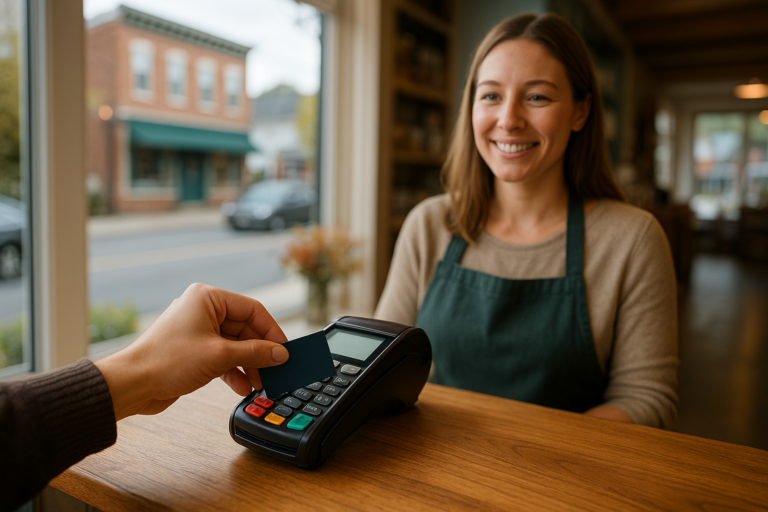
Yes—most modern credit card processing systems support contactless payments and mobile wallets such as Apple Pay and Google Pay, provided you’re using compatible terminals or payment hardware. If you’re already accepting cards, confirm whether your current device supports contactless. If you’re evaluating a new setup, look for contactless-capable terminals and payment workflows designed for fast checkout. This can improve customer experience without changing your core sales process.
What’s the difference between using a card terminal versus an online payment system?
A card terminal is best for in-person transactions at checkout, using swipes, inserts (chip), or taps (contactless). An online payment system is designed for e-commerce invoices, hosted checkout pages, or recurring billing. Some businesses use both to support walk-in customers and online orders. Your choice affects hardware needs, integration with your website or invoicing tools, and how customers authorize payments remotely.
How can I reduce chargebacks and payment disputes?
Chargebacks are often triggered by unclear charges, delivery issues, or payment authorization problems. To reduce risk, use accurate descriptors on receipts and statements, keep records of authorization and customer communications, and maintain reliable order or service delivery documentation. If you run invoices or recurring payments, ensure customers understand what they’re agreeing to. For disputes, respond promptly with supporting information that matches the transaction details.