
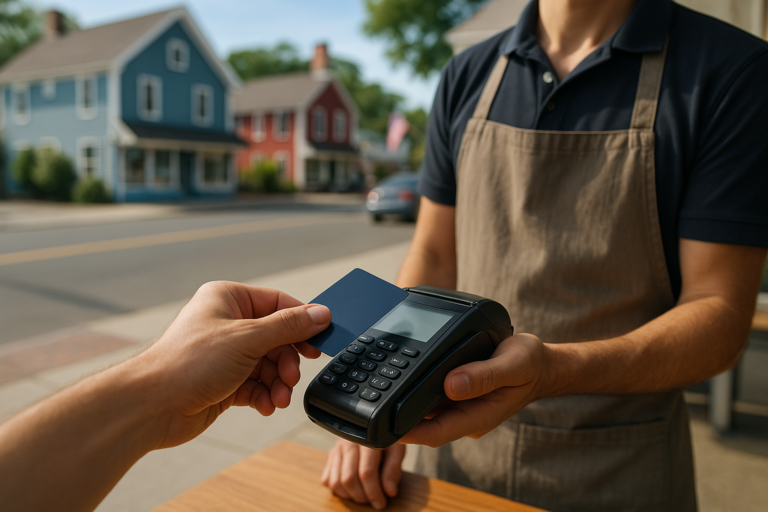
Frequently Asked Questions About Credit Card Processing in West Sayville, New York
What do I need to start accepting credit card payments for my business in West Sayville?
To start accepting credit cards, you typically need a merchant account or payment processing setup, a payment terminal or compatible card-not-present platform, and a way to deposit funds to your business account. Have details ready for your business (such as legal entity and contact information) and be prepared to describe how you accept payments—in-person, online, or both. The best setup depends on your volume and whether you need terminals, invoices, or eCommerce checkout.
Can credit card processing work for both in-person and online payments?
Yes, many businesses use processing that supports both in-person and online payments. In-person usually requires a card terminal or POS system, while online requires a checkout integration or payment link that supports card-not-present transactions. When you’re comparing options, ask whether the same account can handle both channels and how statements will be organized. It’s also important to understand how chargebacks are managed across channels so your team can respond consistently.
What are typical credit card fees, and what should I watch for?
Credit card processing often involves multiple fee types, such as transaction fees and potential monthly or statement fees. The exact structure can vary based on card types and how payments are processed. When reviewing options, ask for a full fee schedule and examples of how fees apply per transaction. Also confirm whether there are additional costs for equipment, software, payment links, or chargeback handling. Clear fee transparency helps you estimate your true effective costs.
How do chargebacks and disputes work if a customer says a payment wasn’t authorized?
A chargeback happens when a cardholder disputes a transaction and the payment network requests documentation from the merchant. For the most efficient resolution, keep organized records such as receipts, signed authorization where applicable, invoices, delivery or service confirmation, and customer communication. Your processor should guide you through the dispute timeline and required evidence format. Businesses often reduce chargeback risk by using clear descriptors, accurate billing, and strong fraud prevention practices.
How can I reduce credit card fraud and protect customer payments?
Reducing fraud starts with using the right verification and security features for your payment channel. For in-person payments, keeping terminals updated and using secure payment methods helps. For online payments, using address verification, fraud screening tools, and reputable checkout integrations can lower risk. Train staff to follow card handling procedures and avoid taking payments outside your standard process. If you see suspicious activity, ask your provider about real-time alerts and customizing risk rules for your business type.