
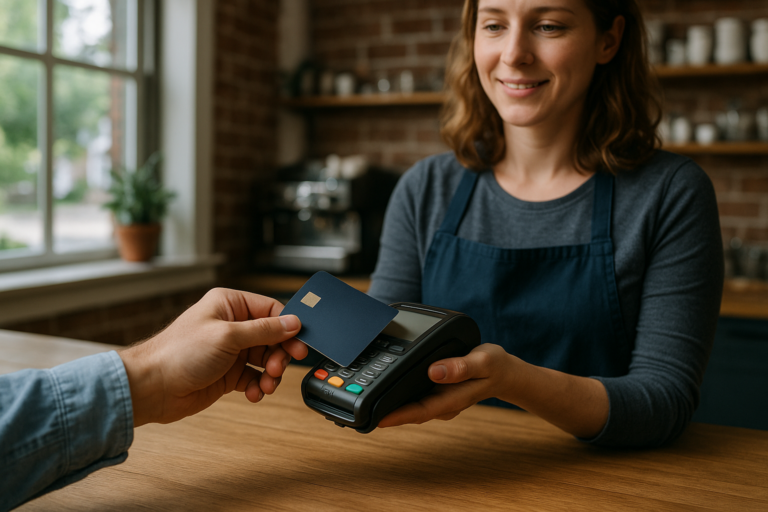
Frequently Asked Questions About Credit Card Processing in West Hills, New York
What credit card processing options are available for small businesses in West Hills?
Small businesses typically have a few practical choices: traditional card-present processing for in-store purchases, mobile processing for pop-ups or on-the-go payments, and online/ecommerce processing for website orders. Many providers also offer tools that help you accept contactless payments and manage refunds securely. When choosing an option, consider how customers pay most often, whether you need integrations with accounting or POS systems, and what types of cards you want to accept reliably.
How do I choose the right payment processor for my business?
Start by comparing how each processor charges fees and how those fees are applied to your monthly volume. Ask whether you’ll have transparent statements, how disputes and chargebacks are handled, and what support is available when transactions don’t go through. It’s also important to confirm that the solution fits your workflow—whether you use a POS, do invoices, or take payments on a website. A good fit reduces friction for both you and customers.
What should I do if a customer’s card is declined during payment?
When a decline happens, first verify the basics: the card is entered correctly, the terminal or checkout screen is functioning, and there isn’t a connectivity issue at the time of sale. If the problem persists, follow your standard decline procedure—try the customer with a different method if available (another card, cashless alternative, or invoice option) and avoid repeating the same transaction multiple times unnecessarily. Document what occurred and review patterns with your processor to reduce recurring declines.
Can I accept credit cards for both in-person and online purchases?
Yes, many businesses handle both card-present and online transactions under one processing setup, but the hardware and software components differ. In-person payments usually require a terminal or POS integration, while online payments require a secure checkout that can send authorization requests to your processor. When planning, consider how you want customers to pay, how refunds will work across channels, and whether your systems can reconcile transactions cleanly in your accounting records to avoid manual cleanup.
What are chargebacks, and how can I reduce the risk of them?
A chargeback occurs when a customer disputes a transaction with their card issuer, often due to perceived errors, unclear charges, or delayed delivery. To reduce risk, keep transactions accurate and well-documented, ensure customer-facing descriptions are clear, and respond promptly to processor requests during a dispute. For online orders, use reliable fulfillment and tracking, and for in-store sales, confirm refunds are processed correctly. Strong recordkeeping helps both you and the processor handle disputes efficiently.