
Frequently Asked Questions About Credit Card Processing in West Hempstead, New York
What’s the best way to choose a credit card processing setup for my business?
Choosing the right credit card processing setup depends on how you take payments and what you need day to day. Start by considering whether you accept in-store, online, or both. Then think about your monthly volume, the types of cards you run most often, and whether you need recurring payments or invoices. A clear understanding of payment fees, equipment or software requirements, and how your payments get deposited helps you make a practical decision that fits your workflow in West Hempstead, NY.
Can I accept chip, tap-to-pay, and swipe transactions with the same system?
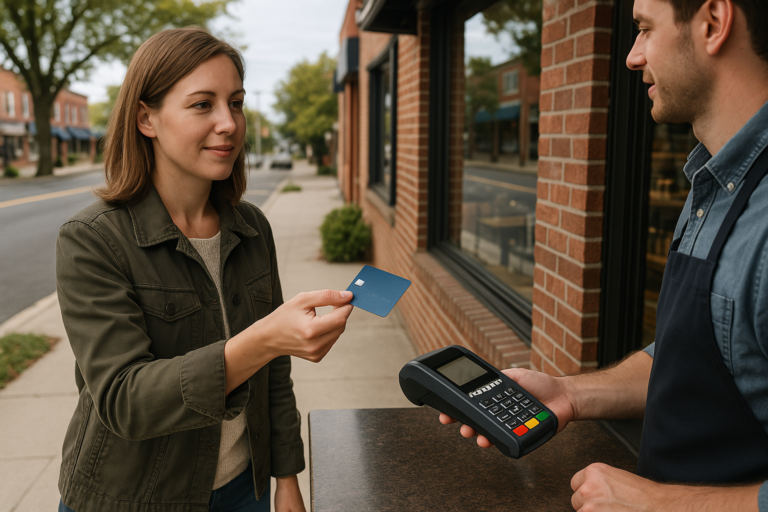
In most modern processing setups, you can accept multiple card types through compatible terminals or payment solutions. Chip cards are read using the EMV feature, and contactless payments use tap-to-pay technology. Swiped magstripe transactions may still be supported depending on the hardware, though many businesses reduce reliance on swipes due to security best practices. Ask your provider what payment methods your specific terminal supports so your customers can pay with the options they expect.
How do interchange, assessment, and processing fees work?
Credit card costs typically come from several components. Interchange is paid to the card-issuing bank based on factors like card type and transaction details. Assessments are network fees charged by card networks. Then there is the processor’s markup for handling and support. Because fee structures can vary by pricing model, it’s important to review your statement line items or fee summary. A helpful provider can explain what drives your costs and how different transaction types may affect them.
What should I do if my credit card transactions are getting declined?
Declines can happen for many reasons, such as insufficient funds, card issues, mismatched payment settings, or temporary authorization problems. Start by checking the transaction details you entered—especially amount, taxes, tips, or any split payments. Next, try the same card using the supported method (chip or tap) if available, since some terminals handle certain card data differently. If declines continue across multiple customers, review your settings and contact your processor to troubleshoot authorization and connectivity.
How can I protect customer card data during and after transactions?
Protecting card data is essential for both security and smoother operations. Use compliant hardware and processing tools designed for encrypted payment capture. Make sure your terminal or payment system is configured to minimize manual entry and reduce unnecessary exposure of card information. For online payments, rely on secure payment pages that do not require you to store card numbers. Train staff on safe handling practices, keep devices updated, and follow your provider’s recommended security steps.