
Frequently Asked Questions About Credit Card Processing in Wantagh, New York
What equipment do I need to start accepting credit cards for my business in Wantagh?
In most cases, you’ll need a credit card processing solution (a terminal or mobile reader), a way to connect to payment networks (usually via Wi‑Fi, cellular, or your existing internet), and a secure payment method such as a merchant account or payment platform. Many businesses also choose an integrated option that works with their point‑of‑sale (POS) system. A local provider can help match hardware and software to how you sell—counter service, delivery, or online.
How does credit card processing work when customers pay in person vs. online?
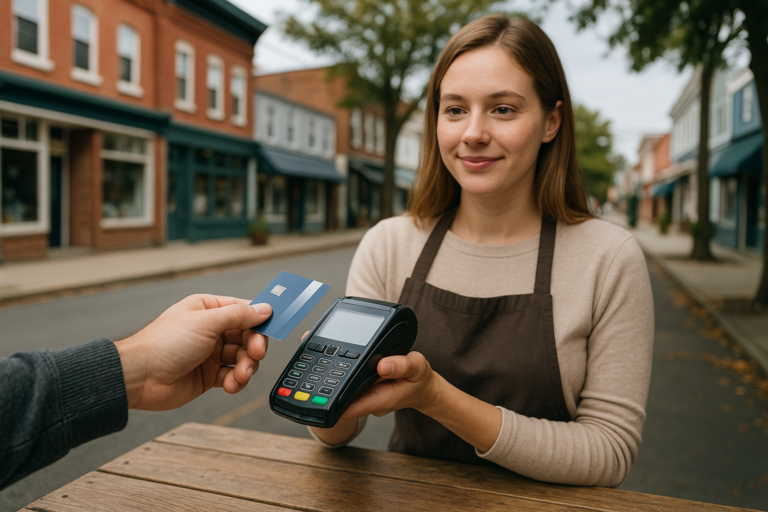
In-person payments typically involve a terminal that reads or taps cards and sends encrypted transaction data to your processor for authorization. Online or invoiced payments use payment pages or gateways that capture card details securely and route them for authorization. The key differences are the technology used (terminal vs. gateway) and how transactions are verified. Either way, the processor captures authorization, then handles settlement so funds reach your business account.
What fees should I expect with credit card processing?
Credit card processing commonly involves a combination of processing fees and possible charges tied to transaction volume, payment type, and card brand. Some arrangements may include monthly platform or service fees in addition to per-transaction costs. The most practical approach is to review the fee schedule line by line and confirm how card-not-present transactions (online payments) are priced compared to in-person swipes/taps. Ask what triggers extra costs, such as chargebacks or refunds.
How can I reduce chargebacks and disputes for card payments?
Chargebacks often happen when cardholders don’t recognize transactions, experience delivery/service issues, or report problems with the product or receipt. To reduce disputes, use clear item descriptions and consistent billing descriptors, provide timely fulfillment and tracking for deliveries, and keep documentation like receipts, signed authorizations, or service records. For online sales, ensure your checkout page and return policy are accurate and easy to find. A processor can also guide you on dispute workflows and evidence requirements.
Is it safe to accept credit cards, and how is customer data protected?
Yes—reputable processing setups use encryption to protect payment data as it moves between the terminal or payment page and the processor. Many systems are designed to minimize how much sensitive card data your business handles directly, which can help with compliance responsibilities. Still, security depends on correct configuration—using secure Wi‑Fi or approved connections, keeping software updated, and following best practices for storing only non-sensitive payment information. If you’re unsure, ask your provider what security controls are included.