
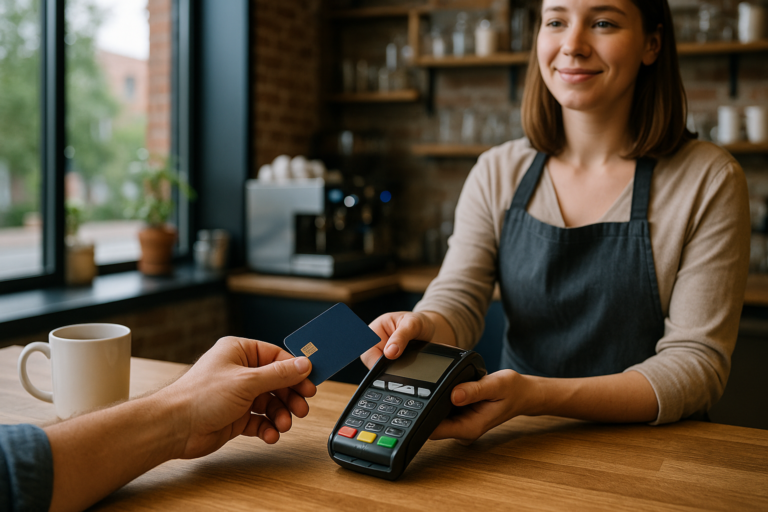
Frequently Asked Questions About Credit Card Processing in Shelton, Connecticut
What types of credit card processing can you help set up for my business in Shelton?
Credit card processing can include several setups depending on how you sell—retail point-of-sale, countertop card readers, mobile payments for on-the-go customers, and online/e-commerce processing. We can help you understand which option fits your checkout flow and whether you need one device or multiple terminals. If you already have a payment system, we can review what you have and discuss compatibility and configuration so charges run smoothly.
How do I reduce credit card processing fees and unexpected charges?
Processing costs can vary based on card type, transaction method (in-person vs. keyed vs. online), and the way your account is structured. A helpful first step is reviewing your current statement for fee categories, contract terms, and any surcharges. We can also discuss operational steps that often lower risk of higher-cost transactions, such as improving authorization methods and using the right payment terminal settings for your business model.
Do I need a merchant account to accept credit cards?
Many businesses do need a merchant account, but the best path depends on the payment setup you’re using. Some solutions bundle account features with a processing platform, while others require a traditional merchant account plus a payment gateway. We can explain the difference in plain terms—what’s required for in-person versus online transactions—and help you choose an approach that matches your needs without overcomplicating your setup.
What’s the difference between credit card processing for in-person payments and online payments?
In-person processing typically relies on a terminal and secure card reading methods, while online processing usually requires a payment gateway integrated with your website or checkout software. Each method has different security requirements and handling for authorizations, settlements, and chargebacks. If you sell both ways, you’ll often need consistent reporting and reconciliation so sales totals match your records. We can help you think through both channels and keep transactions organized.
How do chargebacks work, and what can I do to prevent them?
A chargeback is a dispute where a cardholder’s bank reverses a transaction. Common reasons include billing errors, delivery issues for online orders, or unclear descriptions. To reduce chargebacks, ensure your descriptors are accurate, keep strong documentation, and use clear customer-facing policies. If a dispute happens, prompt response and thorough evidence are key. We can guide you through best practices so your process is consistent and defensible.