
Frequently Asked Questions About Credit Card Processing in Roebling, New Jersey
What types of credit card processing can you support for small businesses in Roebling?
Credit card processing can be used for many business types, including retail stores, service providers, and occasional in-person or invoice-based payments. Typically, providers help set up payment terminals or checkout methods that accept major card networks, and may also support recurring charges and secure online or mobile transactions depending on your workflow. If you tell us how you take payments (in person, online, invoices, or events), we can guide you toward the right option and setup.
How do fees usually work for credit card processing?
Processing fees commonly combine a few elements, such as transaction-based charges (often tied to card type), potential monthly service or gateway fees, and sometimes additional costs for specific payment features. Some providers use tiered rates, while others use interchange-plus pricing. To avoid surprises, ask for a clear breakdown of how you’ll be charged, what triggers any extra fees (like certain card types or chargebacks), and whether statements show itemized transaction details.
Can I accept tap-to-pay and mobile wallet payments?
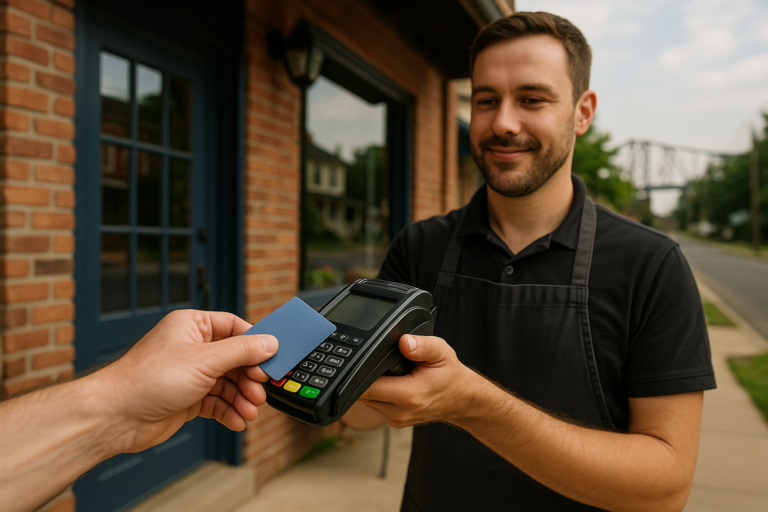
Many customers want contactless payments like tap-to-pay cards and popular mobile wallets. Support for these options depends on the hardware (the terminal must be contactless-capable) and the processing setup behind it. When you’re comparing solutions, confirm that your terminal can read contactless signals and that your account supports the payment method types you plan to use. If you process mostly in-person payments, contactless capability is often a key requirement.
What’s the difference between a payment terminal and a payment gateway?
A payment terminal is the device used to capture card payments at the point of sale, such as swiping, inserting, or tapping a card. A payment gateway is the technology that securely authorizes and routes card transactions for online or integrated checkout, and it may also be involved even for some in-person setups. If your business takes payments both in-store and online, you may need a combination of terminal and gateway capabilities to keep transactions consistent and secure.
How do chargebacks work, and how can we reduce them?
A chargeback is a dispute where a cardholder contests a transaction, and the merchant may be asked to provide evidence. The process usually involves deadlines, documentation requests, and review by the card network or issuing bank. To reduce chargebacks, keep receipts accurate, ensure descriptions match the customer’s purchase, respond promptly to cardholder inquiries, and maintain records for refunds and returns. If you already have disputes, ask how evidence and reporting are handled for your processing setup.