
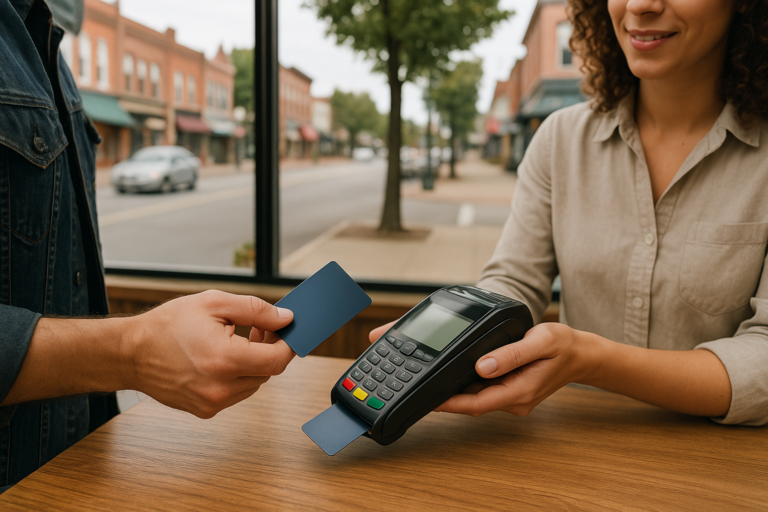
Frequently Asked Questions About Credit Card Processing in Ridgefield Park, New Jersey
What credit card processing options are available for small businesses in Ridgefield Park, NJ?
Small businesses typically choose between mobile card readers, countertop terminals, or full payment systems that integrate with a register or POS. You may also be able to accept contactless payments and online orders, depending on the setup. The best option depends on how you take payments—at your shop, at events, or via invoices/e-commerce—and how you manage refunds and reporting. A clear overview of fees and how transactions settle helps you choose confidently.
How do credit card processing fees work for businesses?
Credit card processing fees often include multiple components, such as interchange (set by card networks), assessment fees, and payment processor charges. Some arrangements have a monthly service fee, while others emphasize per-transaction costs. To avoid surprises, ask for a transparent breakdown of what you’ll pay for different card types and how refunds, chargebacks, and voided transactions are handled. Reviewing your statement and sample invoices can clarify the true cost for your volume.
Can I accept EMV chip and contactless payments, not just magnetic stripe?
Most processors support EMV chip cards and contactless payments (like tap-to-pay). That matters because chip/contactless transactions generally reduce certain types of fraud compared to older magnetic stripe methods. If you currently use older equipment, upgrading may be necessary to ensure compatibility with modern cards. It’s also important to confirm that your terminal settings support the payment types you want—especially for in-person purchases—so customers can pay quickly without failed transactions.
What’s the best way to handle chargebacks and disputes when using credit card processing?
Chargebacks usually happen when a customer disputes a transaction, for example claiming non-receipt, fraud, or an unauthorized purchase. To respond effectively, you’ll need documentation such as proof of fulfillment, transaction records, and any communication with the customer. Ask your processor how alerts are delivered, what deadlines you must meet, and what evidence formats they accept. Having a consistent process for receipts, signatures where applicable, and order tracking can help reduce avoidable disputes.
Do I need a separate system for online credit card payments versus in-store payments?
Many businesses use a single provider or integrated platform that handles both in-store transactions and online payments, but the exact setup can vary. In-store processing typically relies on terminals or readers, while online payments use a checkout page, payment gateway, and secure checkout flow. If you already have a POS or website platform, integration can reduce manual work for reconciliation and refunds. Confirm how transactions sync and whether reporting is centralized for easier bookkeeping.