
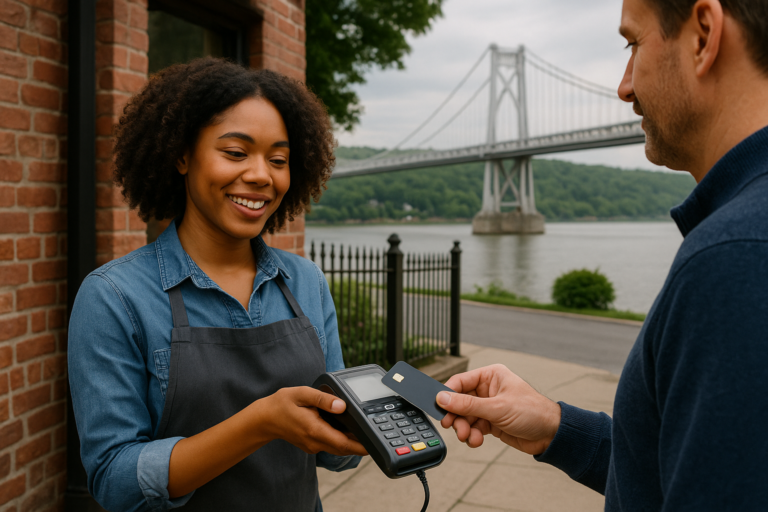
Local Credit Card Processing in Poughkeepsie, NY

If you run a shop, manage a restaurant, or provide services in Poughkeepsie, you need credit card processing that keeps transactions smooth and secure. Harlow Payments helps local businesses accept card payments with the tools and support they need to deliver a better checkout experience—whether you take payments in-store, by invoice, or on the go.

Choosing the right payment setup can reduce friction at the point of sale and help you manage common day-to-day challenges like payment routing, authorization reliability, and secure handling of card data. With Harlow Payments, you can discuss your current workflow and learn options that fit how you sell, how often you accept cards, and what you want from your processing partner.

This page outlines practical ways residents and local businesses in and around Poughkeepsie can access credit card processing services through Harlow Payments. You’ll find guidance on what to prepare before you reach out, how the process typically works, and which questions to ask so you can make an informed choice—without guesswork or pressure.

How Poughkeepsie businesses can access credit card processing

Getting started with credit card processing should feel straightforward. Harlow Payments works with local businesses that want a dependable way to accept card payments, improve authorization outcomes, and support secure transactions. The first step is simply connecting your business needs with a payment solution designed to match your sales flow.

Because every business processes payments differently, it helps to begin with a few details about how you accept payments today. That way, you can get guidance on what will work best for your environment—whether you primarily transact in-store, need mobile capability, or send invoices for payment.

What to prepare before contacting Harlow Payments

To make your initial conversation efficient, gather the basics below. You don’t need everything, but having it ready can help you get clearer recommendations:

  • Your current payment method(s) (in-store terminal, online checkout, invoicing, or mobile payments).
  • How customers typically pay (credit, debit, contactless, or recurring charges).
  • The types of transactions you process (typical order sizes, day-to-day volume, and whether you process refunds).
  • Any hardware needs (such as terminals or other point-of-sale requirements) and whether you’re looking to update equipment.
  • Who manages payments at your business (owner, office staff, or a dedicated manager).

Benefits of choosing a local, supportive payment partner

When payments are reliable, it supports smoother customer experiences. Harlow Payments is focused on helping businesses navigate credit card processing with clarity and practical support. Here are common advantages local businesses look for:

  • Secure payment handling: Use processing practices designed to help protect sensitive card information.
  • Reliable authorization experiences: A setup that helps transactions complete consistently at checkout.
  • Flexible acceptance options: Work toward a solution that matches how your customers pay.
  • Support when it matters: Get help understanding payment performance, addressing issues, and managing day-to-day processing needs.
  • Process transparency: Clarify how your credit card payments work so you can make confident decisions.

Ways residents and local businesses can use credit card processing

Credit card processing isn’t only for large retailers. In Poughkeepsie, businesses and service providers of all sizes often benefit from card acceptance because it meets customer expectations. Depending on your operation, you may use credit card processing for:

  • In-store purchases where customers want to pay quickly and securely at the register.
  • Service-based payments where invoices or payment requests help you get paid efficiently.
  • Mobile or flexible sales situations where customers pay while you’re working at their location.
  • Recurring payments for memberships, subscriptions, or scheduled services (when applicable to your business model).

Next steps: start a conversation

To access credit card processing services in Poughkeepsie through Harlow Payments, the best next step is to reach out and share how you accept payments today. From there, you can discuss what you want to improve—whether that’s reliability, customer convenience, or better support for your payment operations. If you’re evaluating your options, ask about solution fit, onboarding, and how ongoing support works so you can choose the right partner with confidence.

Poughkeepsie is home to a diverse mix of local businesses, from service providers to retail and hospitality. Customers in the area expect convenient, secure ways to pay, and card acceptance can help you meet those expectations at checkout. When you partner with Harlow Payments for credit card processing, you’re getting a practical way to support day-to-day transactions while aiming for dependable authorization experiences. That matters for local businesses that can’t afford payment delays or uncertainty—especially during busy periods. Harlow Payments is a helpful option for businesses that want a straightforward path to setting up or improving credit card processing. By discussing your current workflow and what you want from a payments partner, you can explore acceptance options that align with how you sell and how customers prefer to pay. If you’re looking to upgrade how you process credit card payments in Poughkeepsie, reaching out to Harlow Payments is a good first step toward a solution built around your needs.

Frequently Asked Questions About Credit Card Processing in Poughkeepsie, New York

What do I need to start accepting credit card payments for my business in Poughkeepsie?

To start accepting credit cards, you’ll typically need a merchant account and a payment processor, along with a way to collect payments—such as a card reader, mobile device, or an online checkout. Prepare your business details, banking information, and basic settings for how you’ll take payments (in-person, online, or both). If you already accept debit or ACH, converting to credit cards usually involves updating the processing setup rather than changing your whole workflow.

How do credit card fees work, and what should I watch for on statements?

Credit card processing fees usually include a combination of interchange (set by card networks), assessment fees, and processor charges. Rates can vary by card type, how the card is entered (swipe, chip, or tap), and whether the transaction is online. To avoid surprises, review monthly statements for recurring fees (like statement, platform, or support fees) and understand whether you’ll see chargeback-related costs. Asking for a clear fee schedule is important.

Can I accept credit cards if my business is online only, or do I need an in-person terminal?

You can accept credit cards online without an in-person terminal by using a payment gateway and a checkout integration with your website or e-commerce platform. For recurring billing (subscriptions) or invoices, the setup may include tools to manage authorization and payment updates. If you also do services by appointment, you can often accept in-person payments with a terminal while keeping the online flow separate. Choosing the right method reduces errors and simplifies reconciliation.

What is a chargeback, and how can I reduce the chances of disputes?

A chargeback happens when a customer disputes a credit card transaction with their card issuer. Common causes include billing confusion, canceled services not properly processed, or transactions you can’t verify. To reduce disputes, keep clear documentation and update customers promptly when orders or bookings change. Use transaction records, confirm the amount charged, and ensure refund or cancellation steps are handled consistently. When a dispute is filed, respond with relevant evidence quickly.

How do I handle tips, refunds, and partial payments with credit card processing?

Handling tips and refunds depends on the payment method and the capabilities of your processing setup. For tips at checkout, some systems allow tip adjustments during the transaction flow; others require completing the base transaction then processing a follow-up amount. Refunds can usually be issued to the original payment method, and partial refunds may be supported depending on the processor and integration. If you bill in parts, confirm how the system captures authorization vs. settlement to keep accounting accurate.

Frequently Asked Questions About Credit Card Processing in Poughkeepsie, New York

What do I need to start accepting credit card payments for my business in Poughkeepsie?

To start accepting credit cards, you’ll typically need a merchant account and a payment processor, along with a way to collect payments—such as a card reader, mobile device, or an online checkout. Prepare your business details, banking information, and basic settings for how you’ll take payments (in-person, online, or both). If you already accept debit or ACH, converting to credit cards usually involves updating the processing setup rather than changing your whole workflow.

How do credit card fees work, and what should I watch for on statements?

Credit card processing fees usually include a combination of interchange (set by card networks), assessment fees, and processor charges. Rates can vary by card type, how the card is entered (swipe, chip, or tap), and whether the transaction is online. To avoid surprises, review monthly statements for recurring fees (like statement, platform, or support fees) and understand whether you’ll see chargeback-related costs. Asking for a clear fee schedule is important.

Can I accept credit cards if my business is online only, or do I need an in-person terminal?

You can accept credit cards online without an in-person terminal by using a payment gateway and a checkout integration with your website or e-commerce platform. For recurring billing (subscriptions) or invoices, the setup may include tools to manage authorization and payment updates. If you also do services by appointment, you can often accept in-person payments with a terminal while keeping the online flow separate. Choosing the right method reduces errors and simplifies reconciliation.

What is a chargeback, and how can I reduce the chances of disputes?

A chargeback happens when a customer disputes a credit card transaction with their card issuer. Common causes include billing confusion, canceled services not properly processed, or transactions you can’t verify. To reduce disputes, keep clear documentation and update customers promptly when orders or bookings change. Use transaction records, confirm the amount charged, and ensure refund or cancellation steps are handled consistently. When a dispute is filed, respond with relevant evidence quickly.

How do I handle tips, refunds, and partial payments with credit card processing?

Handling tips and refunds depends on the payment method and the capabilities of your processing setup. For tips at checkout, some systems allow tip adjustments during the transaction flow; others require completing the base transaction then processing a follow-up amount. Refunds can usually be issued to the original payment method, and partial refunds may be supported depending on the processor and integration. If you bill in parts, confirm how the system captures authorization vs. settlement to keep accounting accurate.