
Frequently Asked Questions About Credit Card Processing in Port Jervis, New York
What credit card processing options are available for small businesses in Port Jervis?
Most small businesses choose between mobile/online payment tools and traditional card-present terminals. If you take payments in person, you’ll typically need a secure card reader and payment gateway support. If you also sell online or by invoice, you may want an integrated gateway that supports recurring billing and invoicing. A good setup matches your sales channels, expected monthly volume, and whether you need features like customer receipts and reporting.
Do I need a merchant account to accept credit cards?
Often, yes, but the exact structure depends on the provider. Many processors use a “merchant account” model or a consolidated pricing structure where funds still route through a payment processor system. In practice, you’ll want to confirm how settlements reach your business bank account, how deposits are timed, and which fees apply to card-present versus online transactions. Ask what hardware and software are included and how to handle refunds and chargebacks.
How do EMV chip and contactless payments work with the right setup?
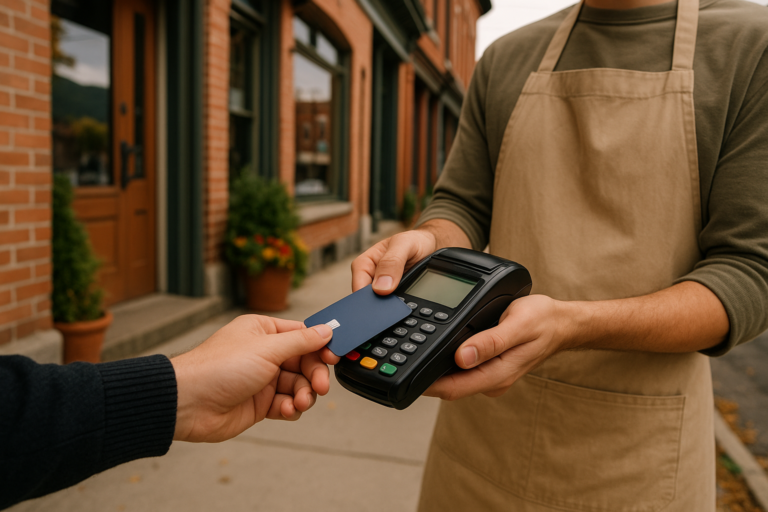
EMV chip cards and contactless (tap) payments require compatible hardware and correct transaction processing settings. Your terminal or reader must support EMV and contactless standards, and the processor must be configured to route those transactions securely. When implemented correctly, chip cards are read via the EMV interface and contactless transactions use the built-in radio functionality. This can help reduce fraud and improve approval rates compared with outdated swipe-only setups.
What’s the difference between keyed-in, swiped, and contactless transactions?
Keyed-in transactions are when a card number is entered manually, typically used for phone orders or when a card isn’t present. Swiped transactions involve reading the magnetic stripe, while chip and contactless read directly from the card. Because risk levels can differ, the processing path may affect approvals, fees, and compliance requirements. It’s important to understand which method you’ll use most often and select hardware that encourages safer chip and contactless acceptance.
How should I handle chargebacks and refunds with credit card processing?
Refunds and chargebacks are different. A refund is a customer-initiated or business-initiated reversal you control before a dispute escalates. A chargeback is a formal dispute where the card network and issuer investigate. Your processing setup should make it easy to document refund details, match them to invoices or tickets, and keep transaction records. Ask how your system logs approvals, timestamps, and reference numbers so you can respond clearly if a dispute arises.