
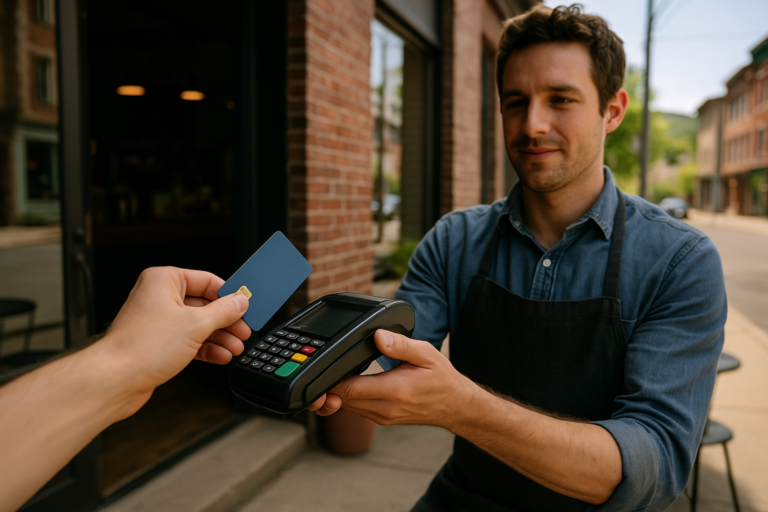
Frequently Asked Questions About Credit Card Processing in Peekskill, New York
What’s included in credit card processing for a small business in Peekskill?
Credit card processing typically covers the setup needed to accept card payments, the secure handling of payment data, and the ongoing support to keep transactions running smoothly. Depending on your needs, this may include choosing the right payment hardware (like terminals or card readers) and configuring payment acceptance for in-person sales, invoicing, or online transactions. A good provider will explain the workflow from authorization to settlement so you know what happens after a customer taps or swipes.
How do merchant accounts and payment processors work together?
A merchant account and a payment processor work as parts of the payment chain. The merchant account is where approved charges are held before they’re settled. The payment processor is the technology and service that routes transactions through card networks and your bank. Together, they enable approvals, handle declines, and manage the movement of funds. When you’re selecting options, ask how your transactions are authorized and settled so you can forecast cash flow more accurately.
What fees should I expect for credit card processing?
Processing costs usually include several components, such as per-transaction fees and potential monthly charges, plus pass-through costs tied to card types and network rates. The exact mix varies by provider and by how customers pay (swipe, tap, chip, or online). For clarity, ask for a transparent fee breakdown and examples based on your typical ticket size and monthly volume. Also confirm what triggers additional fees, such as chargebacks or address verification needs for online payments.
Can I accept contactless payments and EMV chip cards reliably?
Yes—reliable acceptance of EMV chip and contactless (tap) payments is a core requirement for modern credit card processing. The equipment and configuration matter: your terminal should support chip transactions, and contactless payments rely on NFC-capable hardware. It’s also important that your payment setup is configured for the card-present environment you use in-store. Ask your provider to confirm device compatibility and to walk you through what to do if a transaction repeatedly declines.
What should I do if customers say their card was charged but the receipt shows no payment?
This usually involves a mismatch between authorization and completion (for example, an authorization can appear pending before it fully settles). Start by reviewing the transaction status: whether it’s pending, completed, or declined. Then verify the amount and time against your records. If the charge doesn’t complete, it may fall off after a short window depending on the card issuer. If it completes incorrectly, you’ll want to document details and coordinate with your processor to resolve it through the appropriate process.