
Frequently Asked Questions About Credit Card Processing in Mill Neck, New York
What credit card processing options are available for small businesses in Mill Neck?
Most businesses can choose between card-present payment hardware (like terminals or card readers) and card-not-present solutions for online orders. If you accept in-person payments at events, markets, or retail counters, you’ll typically need a compatible terminal and receipt options. For invoices or online checkout, a payment gateway or hosted checkout form may fit better. A provider can help you match the right setup to how customers pay and what systems you use.
How do I choose between flat-rate and interchange-plus pricing?
Pricing models affect how your monthly costs move over time. Flat-rate plans charge a consistent percentage and fee per transaction, which can be easier to budget. Interchange-plus separates interchange (set by card networks) from a markup, which may benefit businesses with predictable customer mix or higher approval volumes. Ask your processor to explain which cards you see most often, how refunds/chargebacks are handled, and whether any monthly fees apply.
Can I accept contactless payments and mobile wallets, such as Apple Pay or Google Pay?
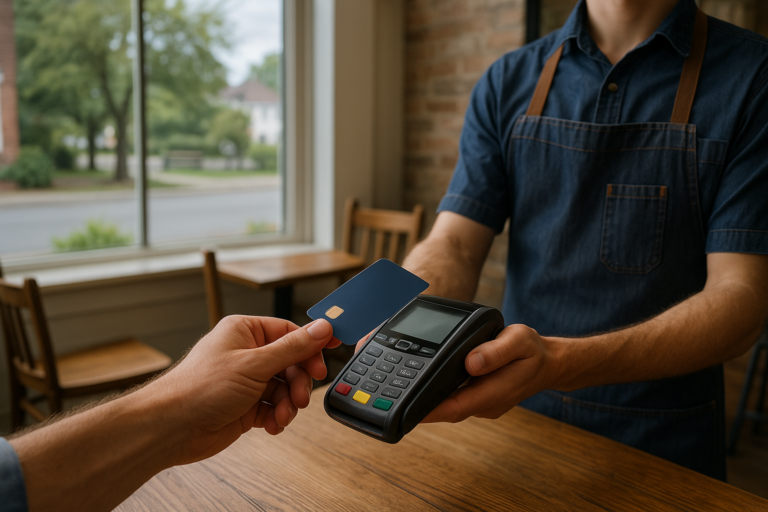
In many setups, contactless payments and mobile wallets work through modern card readers and terminals that support NFC (near-field communication). You’ll want equipment that’s compatible with your payment method and can process chip and contactless transactions securely. If you already have hardware, ask whether it can be upgraded or whether replacement is needed. Confirm that receipts can be printed or sent digitally, depending on your checkout style.
What should I do to prevent payment errors and declined transactions?
Declines often come from mismatched terminal settings, incorrect amounts, network interruptions, or customer bank issues. To reduce avoidable problems, use correct totals before authorizing, ensure your terminal is configured for the card types you accept, and keep your device firmware updated if applicable. For online payments, confirm forms are working properly and that you’re capturing billing details consistently. If declines are frequent, review decline reasons with your processor.
How are refunds and chargebacks managed with credit card processing?
Refunds typically require you to submit the transaction reference or original authorization details so the processor can route it correctly. For chargebacks, you may need to provide supporting documentation such as proof of authorization, delivery, or customer communication—requirements can vary by card type and dispute reason. A practical approach is to keep clear records: order confirmations, delivery confirmation, and refund policies. Ask your processor what information they require and how submissions are handled.