
Frequently Asked Questions About Credit Card Processing in Melville, New York
What types of credit card processing do you support for small businesses in this area?
Most providers can support common card-present and card-not-present payment methods, including swipe/tap/chip terminals, keyed-in transactions, and online or invoiced payments. If you run a retail store, restaurant, salon, or professional services business, you typically choose a setup that matches how customers pay. Ask about compatibility with your POS or checkout workflow, as well as whether you need recurring billing for subscriptions or invoices.
How do I choose the right payment processor and pricing model?
Credit card processing usually involves a mix of transaction fees and other charges tied to card type and processing method. When comparing options, look closely at the total cost per transaction, not just the advertised rate. Ask whether pricing is interchange-plus, flat-rate, or tiered, and whether there are extra fees for statement delivery, chargeback handling, gateway access, or equipment. A good provider can explain how your typical purchase sizes and sales channels affect costs.
What security and compliance should I expect for card data and payments?
Handling card payments generally requires strong security practices. Many businesses rely on tokenization and secure payment gateways so your systems don’t store sensitive card numbers. For compliance, providers often support tools and workflows that help reduce scope, but your business still must follow required data-handling rules. Ask what encryption is used, whether PCI-related responsibilities are shared, and how payment data is transmitted and stored across your POS, website, or invoicing process.
Can I accept contactless (tap-to-pay) and chip cards, and what equipment is needed?
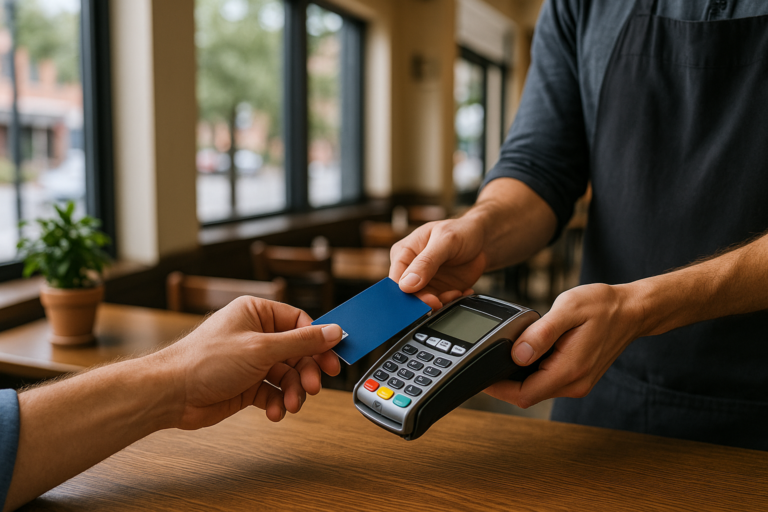
Contactless and chip acceptance usually require a compatible terminal or POS payment device. If you already have a system, you may need to verify integration rather than replacing everything. In many cases, the setup can be configured for multiple payment types so staff can take chip and tap payments at checkout. Ask about device options, setup requirements for your current hardware, and how refunds and tips (if applicable) are handled in the payment flow.
How are chargebacks handled, and what should I do to reduce them?
Chargebacks occur when cardholders dispute a transaction, so it’s important to respond with clear documentation. A reliable processor can guide you through the chargeback workflow and help you understand what evidence is most effective, such as receipts, proof of authorization, and service delivery details. To reduce disputes, use accurate descriptions on receipts and invoices, process refunds promptly when needed, and maintain good records for all transactions, especially card-not-present payments.