
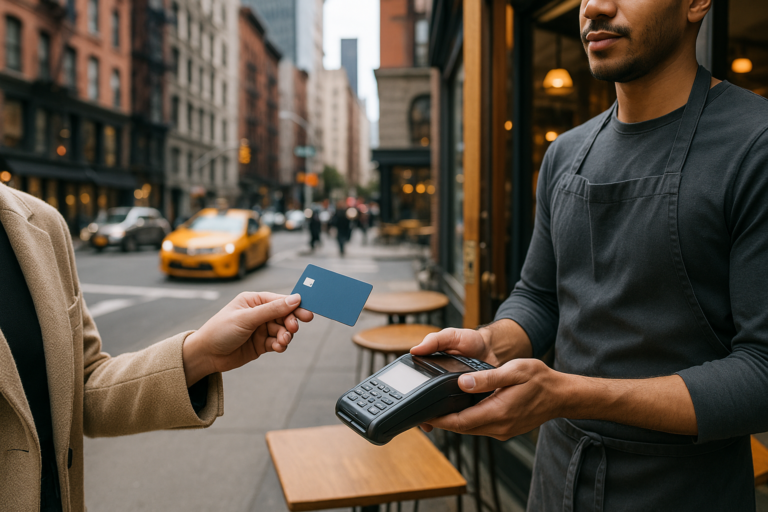
Frequently Asked Questions About Credit Card Processing in Manhattan, New York
What types of payment methods can I accept with credit card processing in Manhattan?
Most merchants can accept standard credit and debit cards, and many setups also support contactless payments (like tap-to-pay) and digital wallets, depending on your processor and terminal/provider. If you sell online, you may need a hosted payment page or an e-commerce integration. To choose the right option, clarify where payments happen (in-store, online, or both) and what card types and wallet methods you want to support for your customers.
How do credit card processing fees typically work for small businesses?
Credit card processing costs are usually made up of multiple components. A portion goes to the card network and issuing bank, and another portion covers the processor’s services. Fees can vary based on card type, transaction method (swiped, keyed, or contactless), and whether the account is set up for e-commerce. Ask your provider for a clear fee breakdown and example calculations so you can understand your monthly and per-transaction costs.
Do I need a merchant account, and what’s the difference between a merchant account and a payment processor?
A merchant account is a type of account that allows you to accept card payments and helps route funds from the customer’s bank to your business. A payment processor is the company or platform that handles the authorization and transaction processing behind the scenes. Some providers bundle both functions, which can simplify setup. When comparing options, ask what you’re getting, how payouts are handled, and whether any separate account setup is required.
What should I prepare to get started with credit card processing?
To begin, you’ll typically provide business information and ownership details, plus details about how you take payments. Common items include your business structure and tax information, expected monthly transaction volume, your products or services, and where transactions occur (counter, mobile, or online). You may also need a way to connect hardware (terminals) or integrate software (checkout or invoicing). Having accurate details helps avoid delays during underwriting and verification.
How can I reduce declined transactions and payment issues?
Declines can happen for many reasons, including insufficient funds, bank restrictions, incorrect billing information, or card verification problems. Start by checking your payment flow: ensure the correct terminal settings, keep contactless readers functioning properly, and verify that online forms capture the required fields accurately. If you notice patterns—like declines on certain days or transaction types—review your reporting with your processor. Also maintain clear refund and dispute processes to reduce recurring friction.