
Frequently Asked Questions About Credit Card Processing in Lawrenceville, New Jersey
What options do I have for credit card processing for a small business in Lawrenceville?
Small businesses typically choose between traditional card-present terminals, mobile/virtual terminals, and online checkout integrations. If you take in-person payments, you’ll likely need a countertop or handheld terminal that supports chip cards. For phone or invoice payments, a virtual terminal may fit better. For e-commerce, payment gateways connect your website or shopping cart to a merchant account. A provider can help you match your setup to how customers pay and what systems you already use.
How do credit card fees and processing rates work?
Credit card processing commonly involves interchange fees, assessments, and payment processor charges. Rates may vary based on card type (credit vs. debit), whether the transaction is card-present or card-not-present, and how the payment is processed. It’s also common to see additional costs for equipment, chargebacks, or specific services like online reporting. Ask for a clear fee breakdown and how your effective rate is calculated, not just a headline percentage.
Can I accept chip cards and contactless payments with new processing?
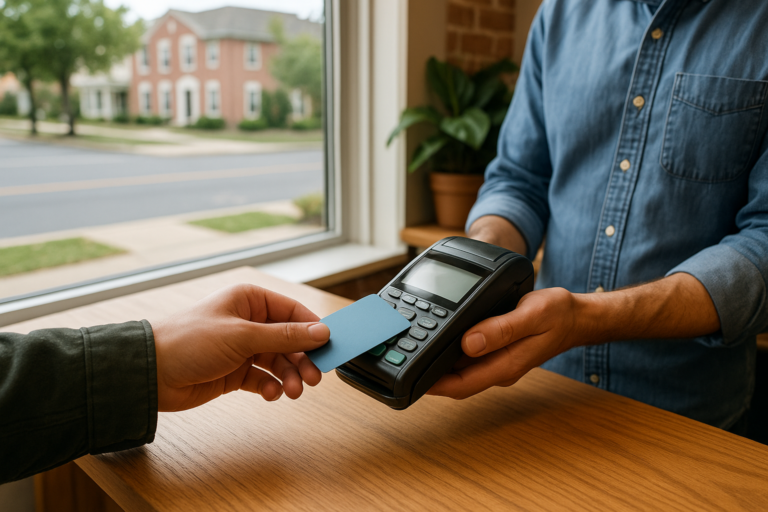
Yes—modern processing solutions are designed to handle EMV chip cards and contactless payments (such as tap-to-pay) depending on the terminal or payment integration you choose. If you’re upgrading, make sure the device supports the card technologies you need and that it’s configured for your payment method mix. Using chip/contactless helps reduce fraud risk compared with older magnetic-stripe-only setups and keeps your checkout experience up to date.
What do I need to do to prevent chargebacks and handle disputes?
Chargebacks often start when a cardholder disputes a transaction, so clear documentation and smooth payment experiences help. Use accurate descriptors, keep receipts and proof of delivery/service, and ensure customers understand policies for returns, cancellations, or subscriptions. For card-not-present transactions, address verification and fraud screening can reduce risky payments. When a dispute arrives, respond with the required evidence promptly and follow your processor’s dispute workflow so the case is presented correctly.
How long does it take to get set up for credit card processing?
Setup timelines vary based on the type of service you’re adding—such as installing a terminal, integrating an online gateway, or configuring a virtual terminal. Many businesses can begin processing quickly once the account is approved and the equipment or software is configured. The main factors are underwriting/verification requirements, hardware readiness, and how complex your integration is with existing systems. Ask what steps are required from you (documents, system access, test transactions) so you can plan the rollout.