
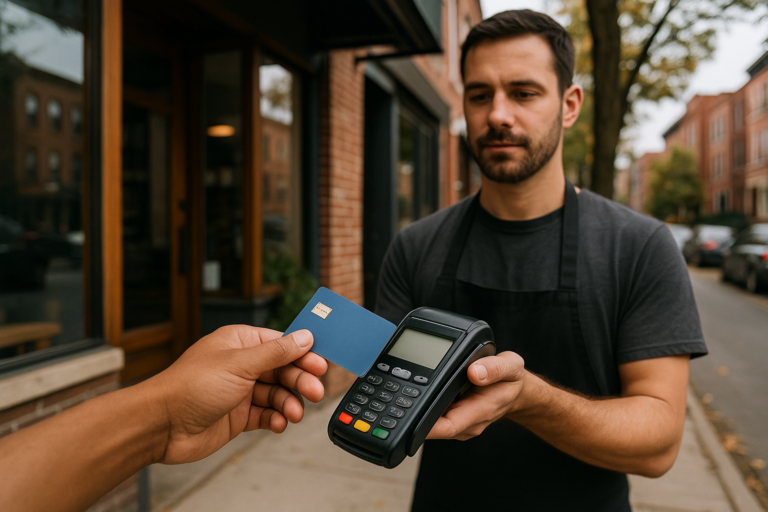
Local Business Credit Card Processing in Kensington, New York

Choosing reliable credit card processing helps Kensington businesses keep payments moving smoothly, reduce friction at checkout, and serve customers with confidence. Whether you run a small storefront, manage a growing service business, or handle recurring payments, the right setup can support faster transactions, consistent recordkeeping, and dependable day-to-day operations.

Harlow Payments in New York helps local merchants connect card payments to their business needs—so you can accept credit and debit cards with practical, business-friendly options. By focusing on what matters for local operators (including secure transaction handling and straightforward account support), Harlow Payments makes it easier to evaluate payment solutions without guessing. If you’re exploring a new provider, updating equipment, or improving the way you manage payments, you can start with a conversation to understand the best path for your business model.

On this page, you’ll find guidance on how Kensington residents can access credit card processing services locally, what to prepare before you reach out, and how to think through the features that often matter most—so you can move from “considering” to “ready” with clarity.

How Kensington businesses can get local credit card processing support

Credit card processing is easier to access when you have a clear starting point. If you’re in Kensington, working with a New York–based provider like Harlow Payments can help you evaluate the right payment approach for your operation—whether you process in person, accept payments remotely, or manage recurring charges.

Most businesses begin by contacting the provider and sharing a few key details about how they take payments. From there, you can discuss the tools and services that fit your current workflow and future plans, such as what type of terminals or payment methods you need and how transactions will be handled behind the scenes.

What to consider before you request a processing setup

To make your first conversation efficient, gather a few basics:

  • How you accept payments today (in-store, online, over the phone, or a combination)
  • Typical transaction types (one-time purchases, invoices, appointments, subscriptions)
  • Your approximate processing flow (for example, busy times, busiest days, and order sizes—no need for exact figures)
  • Whether you need new equipment or want to integrate with what you already use
  • Your priorities, such as smoother checkout, clearer reporting, or payment methods that customers expect

Benefits of choosing a credit card processor that fits your business

Credit card processing is more than “swiping a card.” A well-matched setup can support better customer experiences and reduce operational stress. Many Kensington merchants look for improvements such as:

  • More efficient checkout so customers can pay quickly and you spend less time handling payment issues
  • Reliable authorization and transaction handling to support day-to-day sales
  • Streamlined payment management to help you track sales and reconcile activity
  • Secure processing practices designed to protect transactions and sensitive data
  • Practical support during onboarding and when questions come up

When you work with Harlow Payments, you can focus the discussion on your goals and get guidance on options that align with how your business actually operates in Kensington.

Common questions Kensington merchants ask

Can I use card processing for both in-person and other payment types?
Many businesses handle multiple ways of taking payments. Your provider can help you understand what’s available for your specific setup.

How do I know what equipment or tools I need?
This depends on whether you’re processing at a counter, on the go, or through digital channels. A local New York partner can walk you through the decision based on your workflow.

What should I do if I’m switching providers?
You’ll want to review how you accept payments today and plan the changeover smoothly. A structured onboarding process can help reduce downtime and confusion.

Why local access matters in Kensington

Business payment needs evolve—from seasonal demands to new service offerings. Access to a responsive New York provider can help you move faster when requirements change. With Harlow Payments, Kensington businesses can pursue credit card processing with confidence, knowing you’re working with a partner that understands the environment local merchants operate in.

If you’re ready to explore solutions, start by reaching out and outlining how you take payments. From there, you can discuss next steps for getting set up and managing transactions with greater ease.

Kensington is home to a wide range of businesses that rely on reliable ways to accept customer payments. Shoppers expect card payments to work smoothly, and owners need systems that help them keep transactions organized and manageable. When payment processing fits the way you sell—whether you operate primarily in person, handle appointments and invoices, or take payments through other channels—it can reduce friction and improve customer satisfaction. For local merchants, choosing the right credit card processing provider is about more than a single transaction. It’s about having dependable authorization, clear payment handling, and practical support when questions come up. Working with a New York-based provider like Harlow Payments can make it easier to compare options and select a setup that aligns with your operations. If you’re updating equipment, exploring new ways to accept payments, or want a more straightforward process for managing transactions, you can access support locally by contacting Harlow Payments in New York. A focused conversation can help you move from uncertainty to a clear plan for accepting credit and debit cards in Kensington.

Frequently Asked Questions About Credit Card Processing in Kensington, New York

What do I need to start accepting credit card payments for my small business in Kensington, NY?

To get started, you’ll typically need a merchant account setup, a payment processor, and a way to accept transactions (such as a card reader, terminal, or payment link). Have basic business details ready, including your ownership information and tax identification. If you process online and in-person, ask about whether the same setup can handle both. For security, confirm you’ll use encrypted payment handling and follow any PCI-related requirements your provider requests.

How do card readers and POS systems work for in-person credit card processing?

In-person credit card processing usually uses a terminal or card reader connected to your POS system (or running in standalone mode). The reader captures card data and sends it through your processor for authorization. You can choose options like chip/tap, and some setups support magstripe as a backup. If you’re using an existing register, make sure it’s compatible. Ask whether receipts are printed or emailed and how refunds and chargebacks are handled in your workflow.

What’s the difference between authorization, capture, and settlement for credit card payments?

Authorization is the “approval” step that verifies funds and confirms the transaction is allowed. Capture is when the payment is actually collected after authorization; some systems capture immediately while others batch transactions. Settlement is the process of moving approved funds from the processor to your business account, typically on a schedule defined in your provider’s terms. Understanding these stages helps you reconcile sales and know why transactions may appear pending before funds post.

Do you support online payments, invoicing, or payment links in addition to card-present transactions?

Many businesses in Kensington need credit card processing for more than just in-person sales. Look for solutions that support online checkout, recurring billing, or invoicing/payment links so customers can pay from a phone or computer. If you also accept in-store payments, confirm whether you can manage everything in one dashboard for easier reporting. Ask about security features such as tokenization and how customer payment details are handled to reduce your exposure to sensitive data.

How are fees and chargebacks handled, and what should I watch for in the terms?

Fees can vary based on your transaction type (in-person, online, invoiced) and how rates are structured. Request a clear breakdown of common charges, including any processing, monthly, or statement-related fees. For chargebacks, ask how disputes are documented and what evidence you can provide (such as receipts or fulfillment details). Review your return/refund policy inside the payment system, since how refunds are processed can affect outcomes and customer experience.

Frequently Asked Questions About Credit Card Processing in Kensington, New York

What do I need to start accepting credit card payments for my small business in Kensington, NY?

To get started, you’ll typically need a merchant account setup, a payment processor, and a way to accept transactions (such as a card reader, terminal, or payment link). Have basic business details ready, including your ownership information and tax identification. If you process online and in-person, ask about whether the same setup can handle both. For security, confirm you’ll use encrypted payment handling and follow any PCI-related requirements your provider requests.

How do card readers and POS systems work for in-person credit card processing?

In-person credit card processing usually uses a terminal or card reader connected to your POS system (or running in standalone mode). The reader captures card data and sends it through your processor for authorization. You can choose options like chip/tap, and some setups support magstripe as a backup. If you’re using an existing register, make sure it’s compatible. Ask whether receipts are printed or emailed and how refunds and chargebacks are handled in your workflow.

What’s the difference between authorization, capture, and settlement for credit card payments?

Authorization is the “approval” step that verifies funds and confirms the transaction is allowed. Capture is when the payment is actually collected after authorization; some systems capture immediately while others batch transactions. Settlement is the process of moving approved funds from the processor to your business account, typically on a schedule defined in your provider’s terms. Understanding these stages helps you reconcile sales and know why transactions may appear pending before funds post.

Do you support online payments, invoicing, or payment links in addition to card-present transactions?

Many businesses in Kensington need credit card processing for more than just in-person sales. Look for solutions that support online checkout, recurring billing, or invoicing/payment links so customers can pay from a phone or computer. If you also accept in-store payments, confirm whether you can manage everything in one dashboard for easier reporting. Ask about security features such as tokenization and how customer payment details are handled to reduce your exposure to sensitive data.

How are fees and chargebacks handled, and what should I watch for in the terms?

Fees can vary based on your transaction type (in-person, online, invoiced) and how rates are structured. Request a clear breakdown of common charges, including any processing, monthly, or statement-related fees. For chargebacks, ask how disputes are documented and what evidence you can provide (such as receipts or fulfillment details). Review your return/refund policy inside the payment system, since how refunds are processed can affect outcomes and customer experience.