
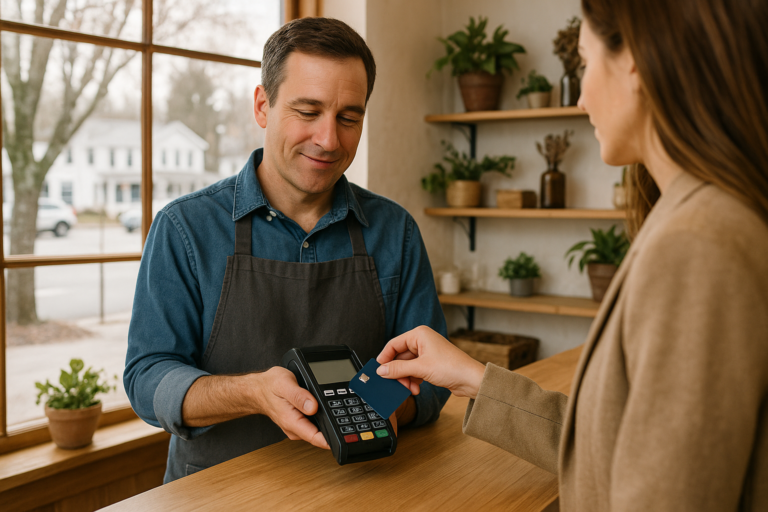
Frequently Asked Questions About Credit Card Processing in Katonah, New York
What should I consider when choosing a credit card processing provider for my Katonah business?
When choosing a credit card processor, focus on the way you get paid and how your system fits your business. Compare pricing structures (monthly fees, transaction fees, and any gateway charges) and confirm whether rates vary by card type. Ask what equipment you need—terminals, mobile readers, or payment links—and whether you can accept tap-to-pay and chip cards. It’s also important to understand how statements are organized and how disputes or chargebacks are handled.
Do you support both in-store and online credit card payments?
Many businesses need to accept cards across multiple channels—swipe/tap in-store and checkout on a website or invoices. A good processing setup connects your payment gateway to your online checkout and also allows secure terminal payments in person. Ask how payments are routed, whether your online solution supports common checkout options, and what steps are required to integrate with your website or software. Clarify how refunds are processed and whether card-not-present transactions follow the same security standards.
How do I reduce credit card processing fees and avoid unexpected charges?
Processing fees often come from different components, so it helps to understand what you’re paying for. Request a clear fee breakdown that shows any monthly costs, per-transaction fees, and potential surcharges. Make sure you know whether you’re using a flat rate or interchange-plus model. Also confirm how card type affects pricing—especially rewards cards or business cards. Keeping reporting organized and reconciling deposits against your statements can help you spot surprises early.
What’s the difference between a payment terminal and a card reader for mobile or pop-up sales?
A payment terminal is typically a fixed device designed for consistent in-store transactions, while a mobile card reader is built for flexible environments like appointments or events. If you sell at temporary locations, a mobile solution may let you process payments from a phone or tablet. Ask what connectivity is required, whether chip and contactless (tap) are supported, and how you manage receipts. Confirm whether your setup can handle recurring payments if you offer subscriptions or scheduled services.
How do chargebacks work, and what can I do to improve my chances of resolving disputes?
Chargebacks are requests from cardholders to reverse a transaction, usually tied to billing issues or disputes. To handle them effectively, maintain clear records: accurate invoices, order confirmations, delivery or service details, and refund documentation. Make sure customer data entered at checkout is correct and that your receipts reflect what was agreed. Ask your processor how alerts are delivered, what evidence you can submit, and what timelines apply during dispute resolution so you can respond promptly.