
Frequently Asked Questions About Credit Card Processing in Islip Terrace, New York
What credit card processing options are available for small businesses in Islip Terrace?
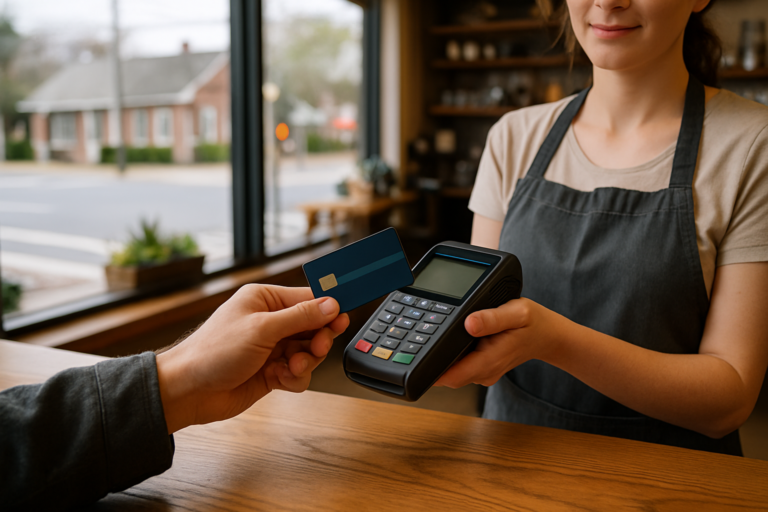
Most small businesses can choose between a traditional card-present setup (using a countertop terminal) and card-not-present payments (for invoices, phone orders, and online checkout). You may also see mobile card readers for pop-up sales or curbside pickup. The best fit depends on how customers pay most often, whether you need recurring billing, and how you handle refunds or exchanges. A payment provider can help you compare terminal features and online checkout options.
How do I choose the right credit card processor for my business?
Start by listing your payment needs: number of terminals, whether you process chip cards, tap-to-pay, online payments, and recurring transactions. Then review how pricing works—look for clarity on monthly fees, transaction fees, and any gateway charges if you accept payments online. Make sure the solution supports the types of cards you receive most (debit, credit, major networks). Finally, confirm how you’ll manage chargebacks and access transaction reporting for reconciliation.
What should I do to reduce chargebacks and payment disputes?
Chargebacks often happen when customers don’t recognize a transaction or when there’s a mismatch between expectations and what was delivered. To reduce disputes, use clear descriptions on receipts and invoices, provide strong item/service documentation, and keep your refund policy consistent across channels. For card-present transactions, ensure chip/tap is used where available and that receipts match the purchase amount. For card-not-present payments, confirm you have accurate billing details and maintain proof of fulfillment.
Can I accept credit cards securely if I’m using an online ordering or invoicing process?
Yes, but security depends on the setup. Many businesses use a payment gateway that redirects payment details to a secure checkout page rather than storing card information on your systems. You should also use secure practices like tokenization (so sensitive data isn’t stored), up-to-date software, and role-based access for staff. If you’re sending invoices, make sure links or payment pages are legitimate and encrypted (HTTPS). Ask your processor what tools they provide for compliance support.
How does credit card processing integrate with my existing POS or accounting software?
Integration usually falls into one of two categories: direct POS connectivity or an add-on/gateway approach. If you already use a POS system, ask whether it supports the processor you’re considering and whether it can automatically send transaction data to your accounting workflow. Good integrations reduce manual entry, help you reconcile deposits, and keep reporting consistent. If your POS isn’t directly supported, you may still be able to export transaction reports regularly for bookkeeping and bank reconciliation.