
Frequently Asked Questions About Credit Card Processing in Hillsborough, New Jersey
What types of credit card processing are available for small businesses near Hillsborough, NJ?
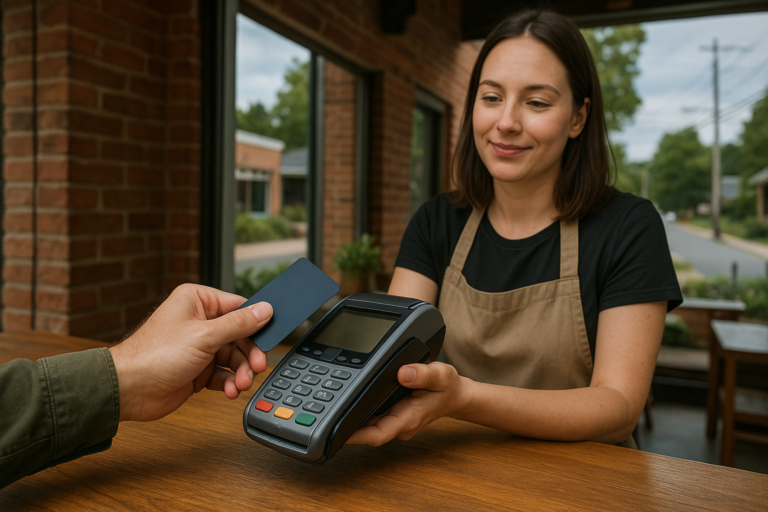
Credit card processing options typically include card-present terminals (for in-store swipes/taps), mobile solutions (for pop-ups or on-the-go sales), and card-not-present processing (for phone or online orders). You can also choose between traditional merchant accounts and payment services that simplify setup. A good provider will help match your setup to your sales channels, expected monthly volume, and how customers pay, so you’re not paying for features you don’t need.
How do I choose between a merchant account and a payment platform?
Merchant accounts are often used when you want more direct control over underwriting and processing features, while payment platforms can streamline onboarding and bundle tools like online payments and reporting. The right choice depends on your transaction types (in-person vs. online), whether you need recurring billing or invoicing, and how you want statements and reconciliation handled. Ask for a clear breakdown of fees and what’s included in the monthly service or per-transaction charges.
What fees should I expect for credit card processing?
Credit card processing fees commonly include a mix of transaction-based charges and processing/technology fees. You may see pass-through card network or issuer rates, plus an additional markup from the processor. Some providers also charge monthly account fees, setup fees, or fees for statement delivery and equipment. Request a transparent fee schedule and make sure you understand how rates change with card type (debit/credit, rewards, or card-not-present).
What security and compliance steps are involved when accepting credit cards?
When handling card payments, you should prioritize PCI-DSS compliance and secure data practices. Many modern payment solutions use encrypted swipe/tap readers and tokenization so your business isn’t storing sensitive card numbers. A reliable processor can guide you on maintaining compliance for the systems you use, such as terminals, payment links, and checkout tools. Be sure to use updated software, follow handling procedures, and limit who has access to payment credentials.
How can I reduce chargebacks and payment disputes?
Chargebacks often occur when customers don’t recognize a charge or when details don’t match what they expected. To reduce risk, ensure receipts and invoices are accurate, provide clear descriptions on refunds and returns, and keep customer contact information up to date for follow-ups. If you accept card-not-present payments, use fraud screening tools and verify billing details where appropriate. A processor that offers reporting can help you spot dispute patterns early and improve your checkout flow.