
Frequently Asked Questions About Credit Card Processing in Hawthorne, New Jersey
What credit card processing options are available for small businesses in Hawthorne, NJ?
Common options include traditional card-present terminals, countertop card readers, and mobile swipe/tap readers for on-the-go payments. Many providers also support online invoicing and e-commerce checkout if you sell through a website. When choosing, consider how customers pay (in person vs. online), whether you need recurring billing, and how easily the system integrates with your point-of-sale (POS) or bookkeeping tools. A good setup reduces manual entry and helps you reconcile transactions faster.
How do I choose the right merchant services setup for my business?
Start by mapping your transaction types: in-store swipe/tap, chip cards, and whether you take payments online. Then evaluate your POS needs, ticket size, typical monthly volume, and reporting requirements. Ask what hardware is required, how statements are delivered, and how disputes or chargebacks are handled. Also confirm what fees relate to processing versus optional services, so you understand your real cost structure over time. A streamlined setup often lowers operational friction.
What fees should I expect with credit card processing?
Merchant services typically involve multiple fee categories, such as interchange (driven by card type and how the card is processed), assessment fees, and processing or gateway fees. Some providers also charge for monthly account services, terminal or software costs, and add-ons like virtual terminals or chargeback tools. The best approach is to request a clear breakdown of fees and review how rates change by card type, and whether your pricing model is flat-rate or interchange-plus. Understanding this before you sign helps avoid surprises.
Can I accept contactless payments and EMV chip cards reliably?
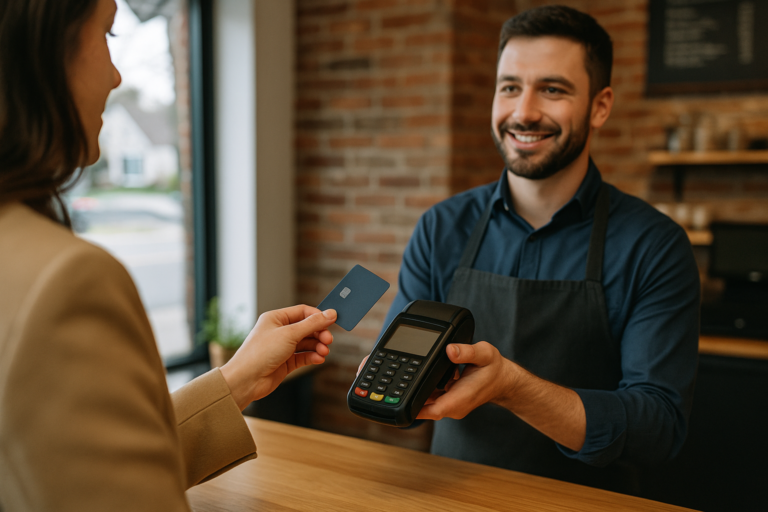
Yes—reliable acceptance depends on using EMV-compliant hardware and ensuring your settings and firmware are up to date. Contactless payments (tap-to-pay) should work on NFC-enabled terminals paired with the correct payment networks. If you also accept online or invoice payments, confirm that your checkout supports secure payment authentication. Ask how the system handles declined transactions and whether it supports retries or alternative payment methods. Proper configuration helps reduce payment friction for customers.
How do chargebacks work, and what steps can I take to reduce them?
A chargeback is when a cardholder disputes a transaction and the issuing bank requests a review. To reduce them, clearly communicate purchase details (item descriptions, quantities, terms, and refund policies), keep accurate transaction records, and reconcile payments regularly. For card-not-present sales, use fraud controls and ensure billing information matches what customers provide. If a dispute occurs, respond with thorough documentation and a concise timeline. Strong recordkeeping makes resolution more efficient.