
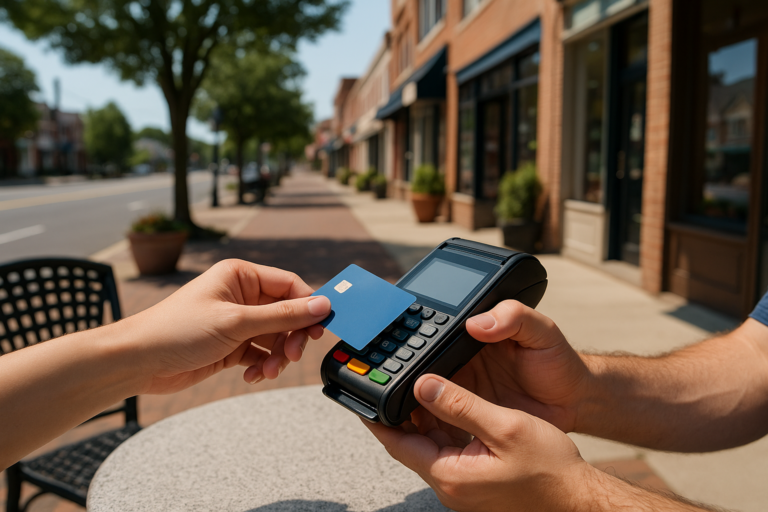
Frequently Asked Questions About Credit Card Processing in Great Neck Gardens, New York
What types of credit card processing can businesses in Great Neck Gardens use?
Most local businesses choose a solution that supports credit and debit cards for in-store, online, or both. Depending on your setup, you may need a card-present terminal (for swiping/tapping), a payment link or virtual terminal (for phone or invoices), or an integrated online checkout (for ecommerce). If you already have a register or POS system, it’s also important to confirm the processor can integrate smoothly so payments reconcile correctly at the end of the day.
How do I choose between a traditional merchant account and a payment processor?
A merchant account and a payment processor both handle transactions, but the differences usually affect onboarding complexity, how fees are structured, and how payouts are delivered. Some businesses prefer simpler, consolidated processing with fewer moving parts, while others want deeper control over underwriting and reporting. When comparing options, ask how statements break down charges, whether you can access detailed transaction reports, and what happens if you change hardware or add locations.
What fees should I expect for credit card processing?
Credit card processing commonly involves multiple fee categories, such as transaction charges, card-brand or network fees, and possible monthly account or gateway fees. The exact breakdown varies by provider and your typical card types (credit vs. debit, card-present vs. card-not-present). To avoid surprises, request a clear fee schedule and examples based on your average ticket size. Also ask whether there are fees for refunds, chargebacks, or PCI-related tools, since these can affect total costs.
How do chargebacks work, and what can I do to reduce them?
A chargeback happens when a customer disputes a transaction, and the card network routes it through an investigation. If documentation doesn’t support the sale, the merchant may lose the funds and may also face additional processing fees. To reduce chargebacks, ensure receipts show clear details, match transactions to your records, and provide prompt responses when disputes arise. For card-not-present sales, adding stronger verification and accurate billing descriptors can help prevent avoidable disputes.
Do I need PCI compliance to accept credit cards?
Yes—businesses that handle card data are generally required to meet PCI security expectations. The practical approach depends on how you take payments. If you use a terminal or hosted payment page that tokenizes card information, you typically reduce the amount of sensitive data your systems must store or transmit. Ask your provider what tools they offer to help you stay compliant, including secure handling of card numbers, encryption/tokenization methods, and guidance for staff on safe payment practices.