
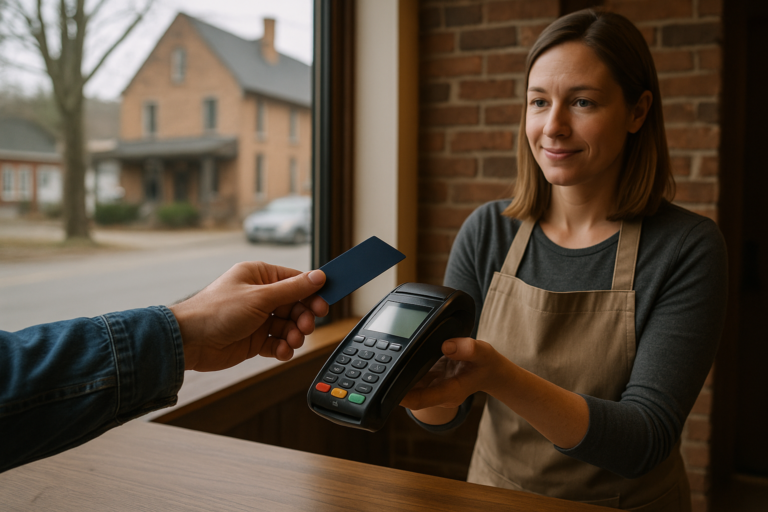
Frequently Asked Questions About Credit Card Processing in Golden's Bridge, New York
What types of credit card processing do you support for local businesses?
Credit card processing can support a range of payment types, including in-person card swipes/inserts, contactless payments, and some mobile or online transactions depending on your setup. Many businesses also need the ability to accept recurring payments or invoices. To choose the right option, it helps to match your workflow—counter sales, appointments, or online orders—and your hardware needs. A reputable provider can help you determine compatible terminals and account settings.
How do credit card fees typically work, and what should I watch for?
Credit card fees often include multiple components such as interchange (set by card networks), processing charges, and potential transaction or monthly account fees. The exact mix can vary by processor and by the card type and payment method used. Ask for a clear fee breakdown and confirm whether pricing is flat-rate, interchange-plus, or tiered. Also clarify whether refunds, chargebacks, and batch settlement changes affect your effective costs.
What’s the best setup for small businesses—terminal, mobile reader, or online payments?
The “best” setup depends on how you sell. If you take payments at a location, a countertop terminal or PIN pad is often the simplest. If you serve customers on-site, a mobile card reader can keep transactions flexible. For online sales, you may need an eCommerce or payment gateway integration. Many businesses use a combination—keeping in-person processing and online checkout working together—so your bookkeeping stays consistent across channels.
How do chargebacks and disputes work, and what can we do to reduce them?
A chargeback happens when a cardholder disputes a transaction with their bank. When it occurs, you may be asked to provide documentation such as receipts, proof of fulfillment, or communication records. To reduce disputes, use clear item/service descriptions, keep accurate records, ensure card-present rules are followed for in-person sales, and handle refunds promptly when appropriate. A good processor can also help you understand dispute workflows and operational best practices.
Do we need a merchant account, and what information is required to get started?
Many credit card processing setups involve a merchant account or payment service account, but the exact approach varies by provider. Generally, you’ll need business details, a way to verify your identity and ownership, and information about how you’ll accept payments (in-person, online, or both). You may also be asked to provide typical transaction details, expected volume, and refund policies so the account can be properly configured and compliant.