
Frequently Asked Questions About Credit Card Processing in Flanders, New Jersey
What types of credit card processing systems are available for small businesses in Flanders, NJ?
For small businesses, common options include mobile card readers, countertop terminals, and cloud-based systems that connect through your internet connection. Some providers also offer payment gateways for online sales and invoicing. When choosing a system, consider how customers pay (in-person, swipe/tap, or online), whether you need online reporting, and how easily you can add users or locations. A good setup balances convenience, security, and reliable transaction handling.
How do credit card processing fees typically work, and what should I watch for?
Processing fees are often made up of multiple components, such as interchange (the card network’s fee), assessment fees, and the processor’s service charges. Your effective cost can vary based on card type, transaction method (swipe, chip, or tap), and business category. Ask for a clear breakdown of what you’ll pay, including any monthly charges, statement fees, chargeback-related costs, and how refunds or partial captures are handled.
Can I accept tap-to-pay and chip cards, and will my equipment need upgrades?
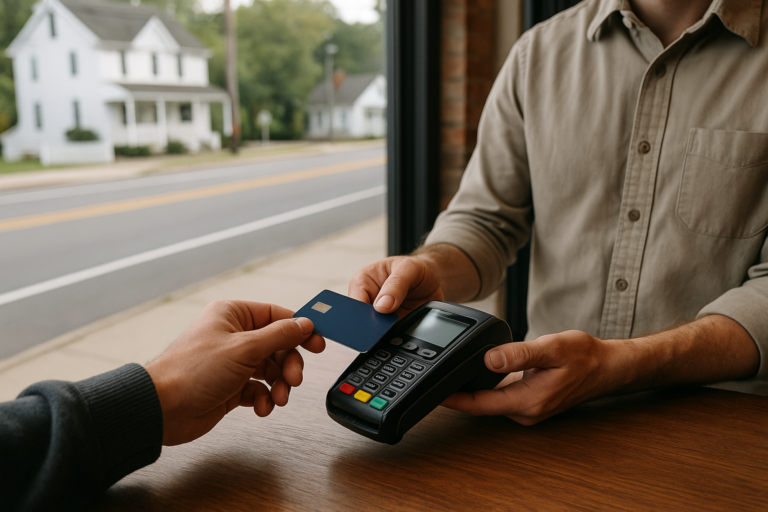
Most modern systems support chip cards and contactless (tap-to-pay), but older terminals may not. If your customers use newer payment methods, upgrading can help reduce declines and improve checkout speed. Before you change equipment, confirm compatibility with your current workflow, such as countertop vs. mobile, receipt printing, and how transactions sync to your reporting. A reputable provider can help you verify readiness based on the payment types you expect.
What should I do if a card payment fails or a chargeback occurs?
For failed payments, start by checking common causes: insufficient funds, card expiration, incorrect terminal settings, network connectivity, or a mismatch between the transaction amount and what was authorized. If you see repeated declines, review your transaction logs and card-present vs. card-not-present settings. For chargebacks, document the transaction details, maintain proof of fulfillment or authorization when applicable, and respond promptly to the dispute. Keeping clean records helps resolve issues efficiently.
How is customer payment data kept secure during credit card processing?
Secure processing generally includes tools like end-to-end encryption for transactions, tokenization (so card numbers aren’t stored in a reusable form), and strict handling of card data at the point of sale. It’s also important that any online checkout uses secure payment forms and that access to reporting dashboards is limited. Ask your processor what security measures are in place and how PCI-related responsibilities are handled, so your business reduces risk and stays compliant.