
Frequently Asked Questions About Credit Card Processing in Englishtown, New Jersey
What types of credit card processing can a business set up in Englishtown, NJ?
Most small and mid-sized businesses use credit card processing to accept Visa, Mastercard, and other major cards, either in-person, online, or through both. You can typically choose between a traditional card reader or a mobile solution for events and on-the-go sales. Many providers also support invoicing, recurring payments, and online checkout. Ask about how payments are handled for card-not-present transactions, since these often require different settings than in-store swipes or taps.
How do I choose between a card reader, terminal, or payment system for my shop?
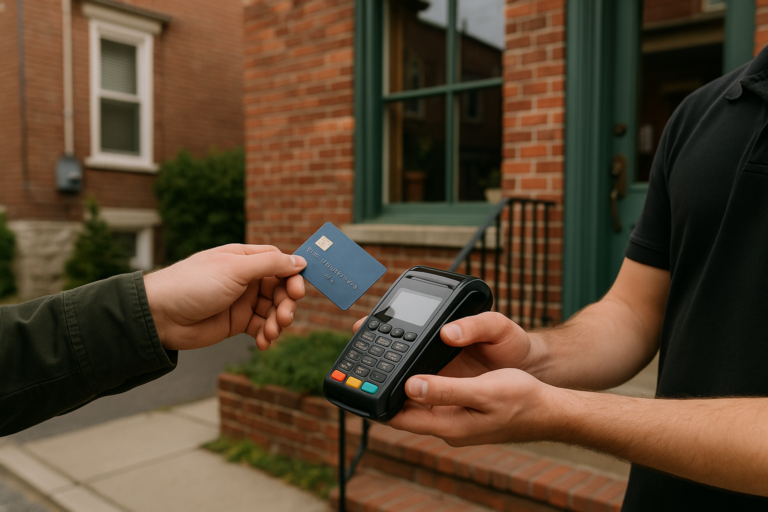
Start with how customers pay most often. If you mainly swipe or tap at a counter, a dedicated terminal or countertop reader is usually straightforward. If you meet customers on-site or attend local events, a mobile card reader may fit better. For businesses with an online store, you’ll also need an e-commerce payment gateway. Consider features like receipt options, batch settlement, and whether you want one system for both in-person and online payments.
What fees should I expect with credit card processing, and what should I review first?
Credit card processing fees can include interchange and card network costs, plus payment processor charges. Your statement may also list additional fees related to monthly service, statement delivery, chargebacks, or equipment. Instead of focusing on a single “rate,” review the full fee schedule and how charges are calculated (for example, per transaction vs. percentage). Ask what will happen if you refund, process a disputed transaction, or change your payment volume over time.
How are chargebacks handled if a customer disputes a payment?
A chargeback usually happens when a cardholder contests a transaction. When that occurs, the processor typically requests documentation from the business. The best approach is to have clear records—such as proof of purchase, authorization logs for card-present sales, return or service records, and customer communication. For card-not-present transactions, keep digital receipts and order confirmations. When setting up processing, ask what alerts or workflows you’ll receive so disputes are addressed quickly and accurately.
Is it better to process payments through a merchant account or use a simpler payment platform?
It depends on your business model and how you want to manage payments. A merchant account can be a good fit if you want more control and a tailored setup, especially for established businesses with consistent sales. A simpler payment platform can reduce complexity for smaller operations or businesses that need both online and basic in-person acceptance. Ask how your chosen option handles reporting, refunds, and reconciliation so your bookkeeping matches real deposits.